
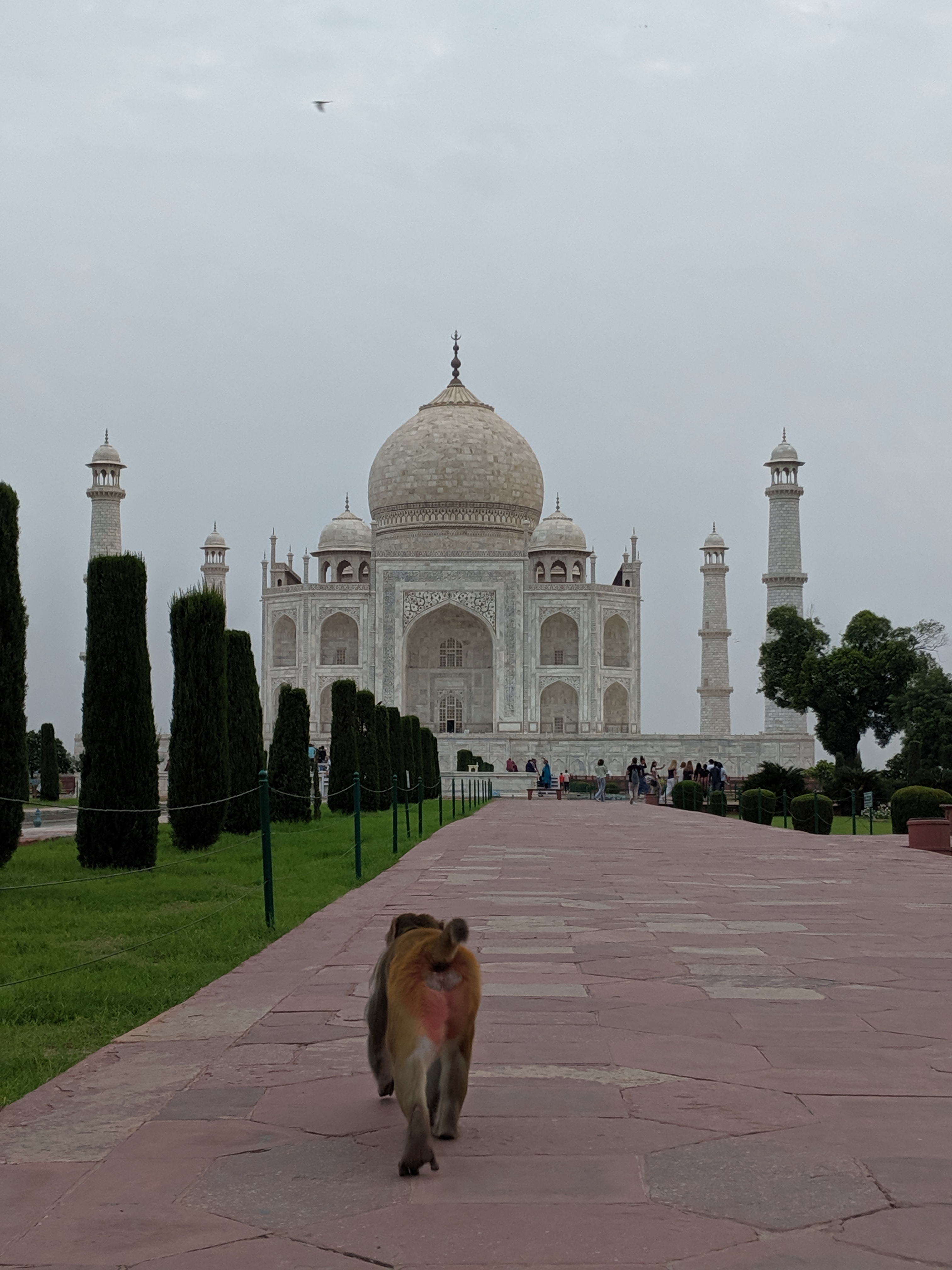
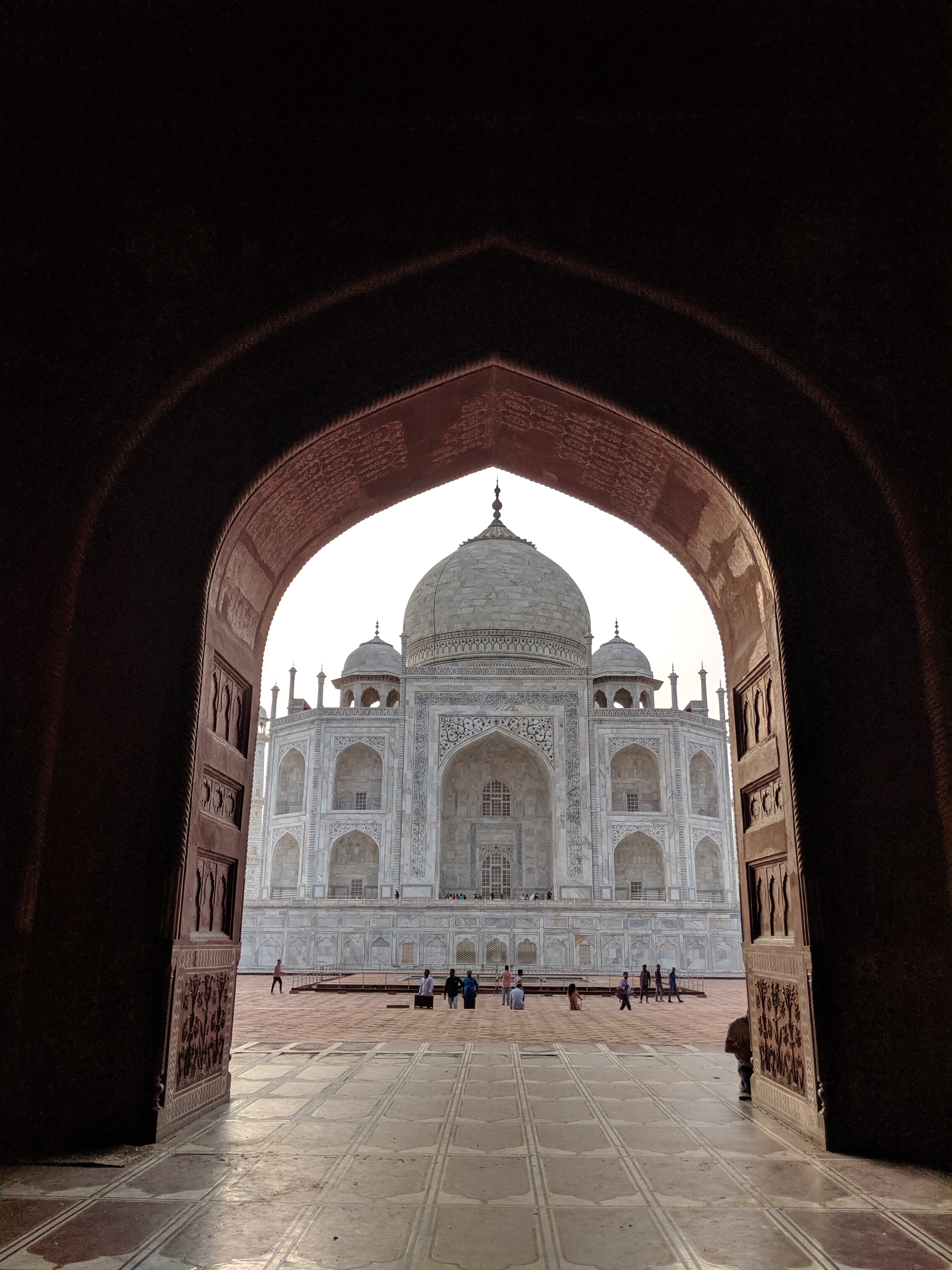
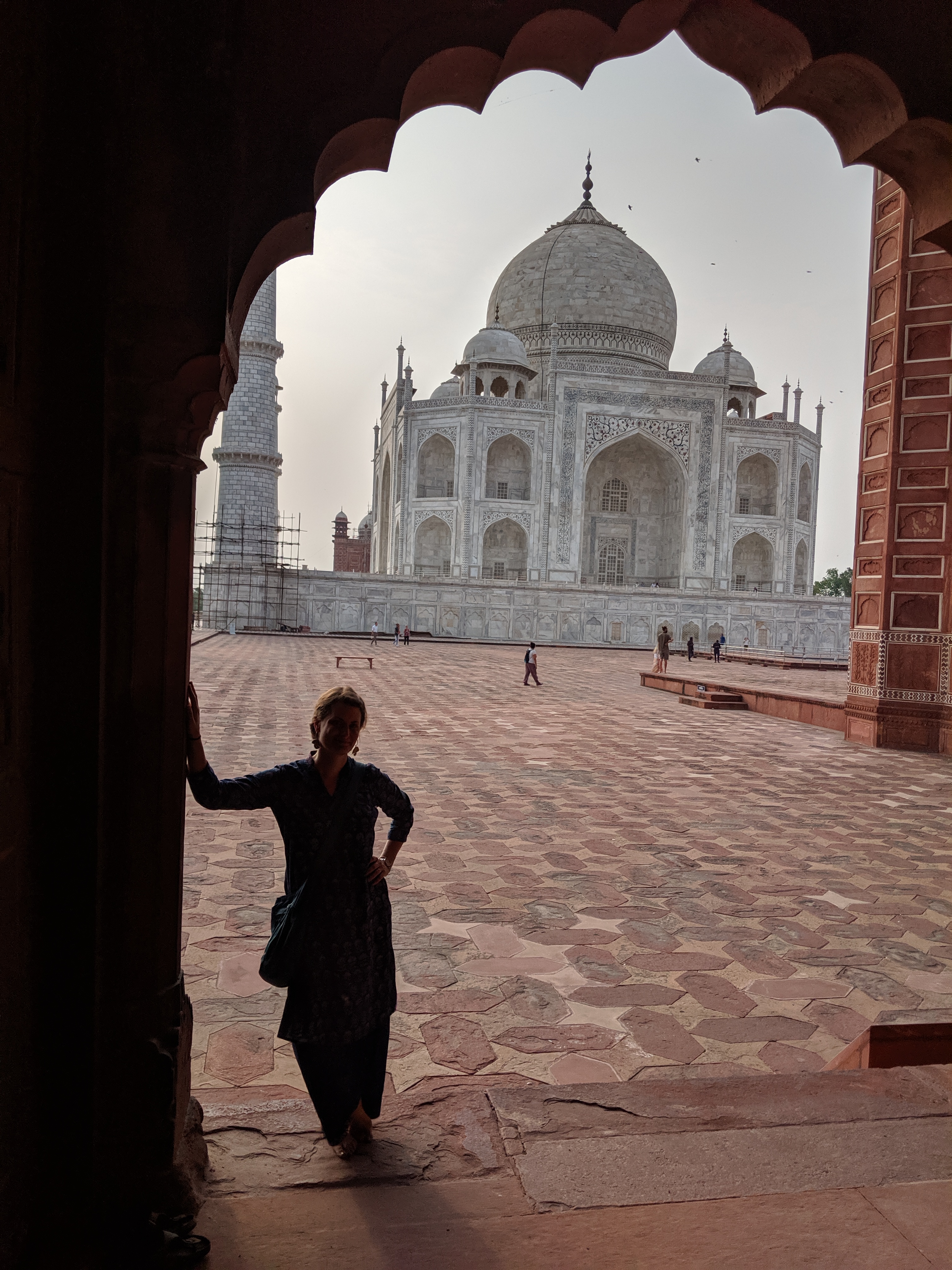
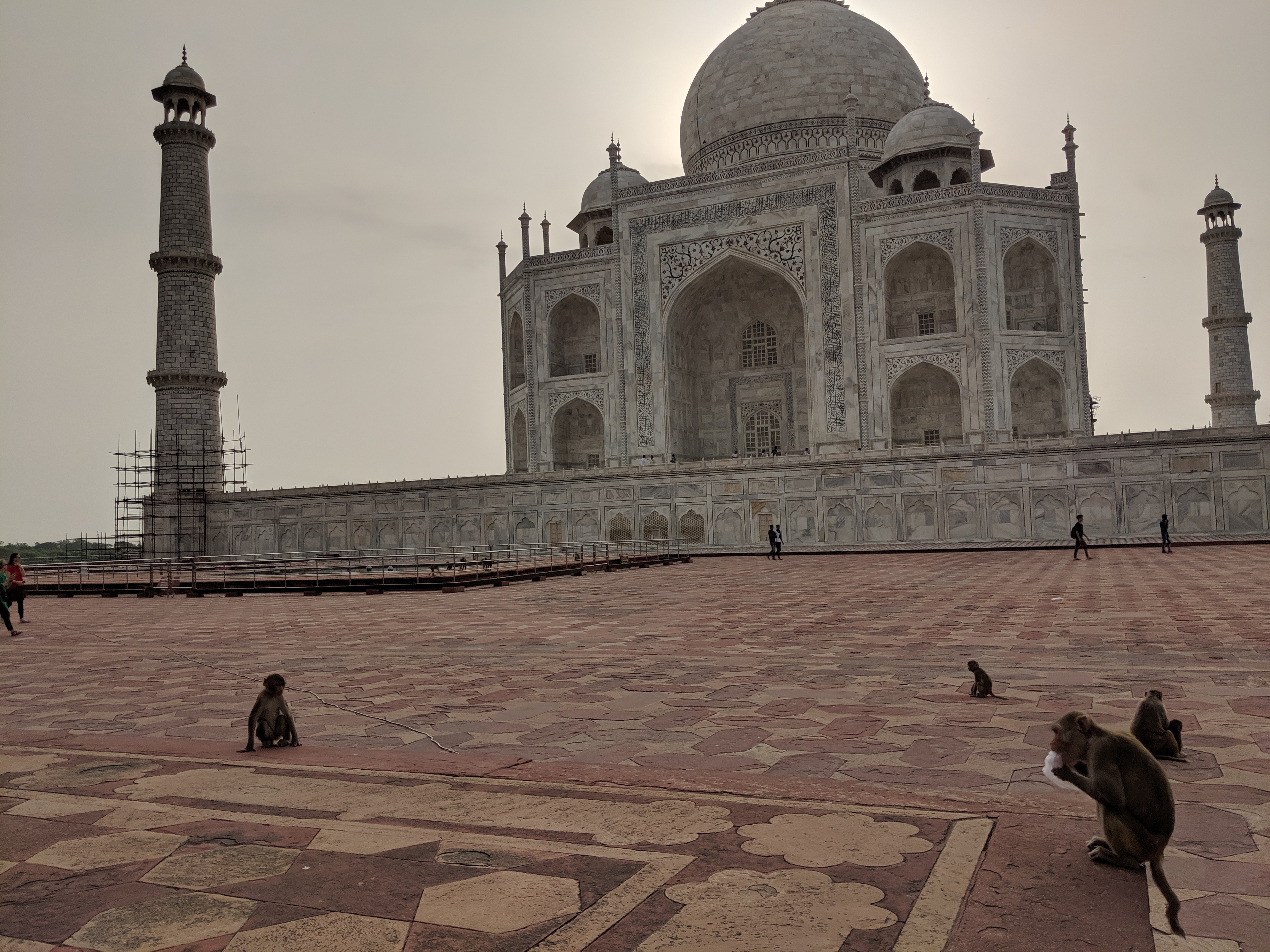
My time in India is coming to a close. As one might expect, I’m feeling mixed about this — so excited to see my people back at home and simultaneously sad to part with an experience that has been so meaningful. Yesterday, on one of our final excursions as a group, we woke up early to see the Taj Mahal in Agra. Agra is about a three hour drive from Delhi (give or take), so we set off the evening before and spent the night in order to get to the Taj before sunrise. It was so worth it. The beauty of the place was as one might expect — it is called a wonder for a reason. Our pass gave us 3 hours to walk around and explore and we were able to make good use of that time. From every angle of the grounds you see something striking and want to take in everything from that one space for as long as you can. I hope to return one day with Micah and Garrett.
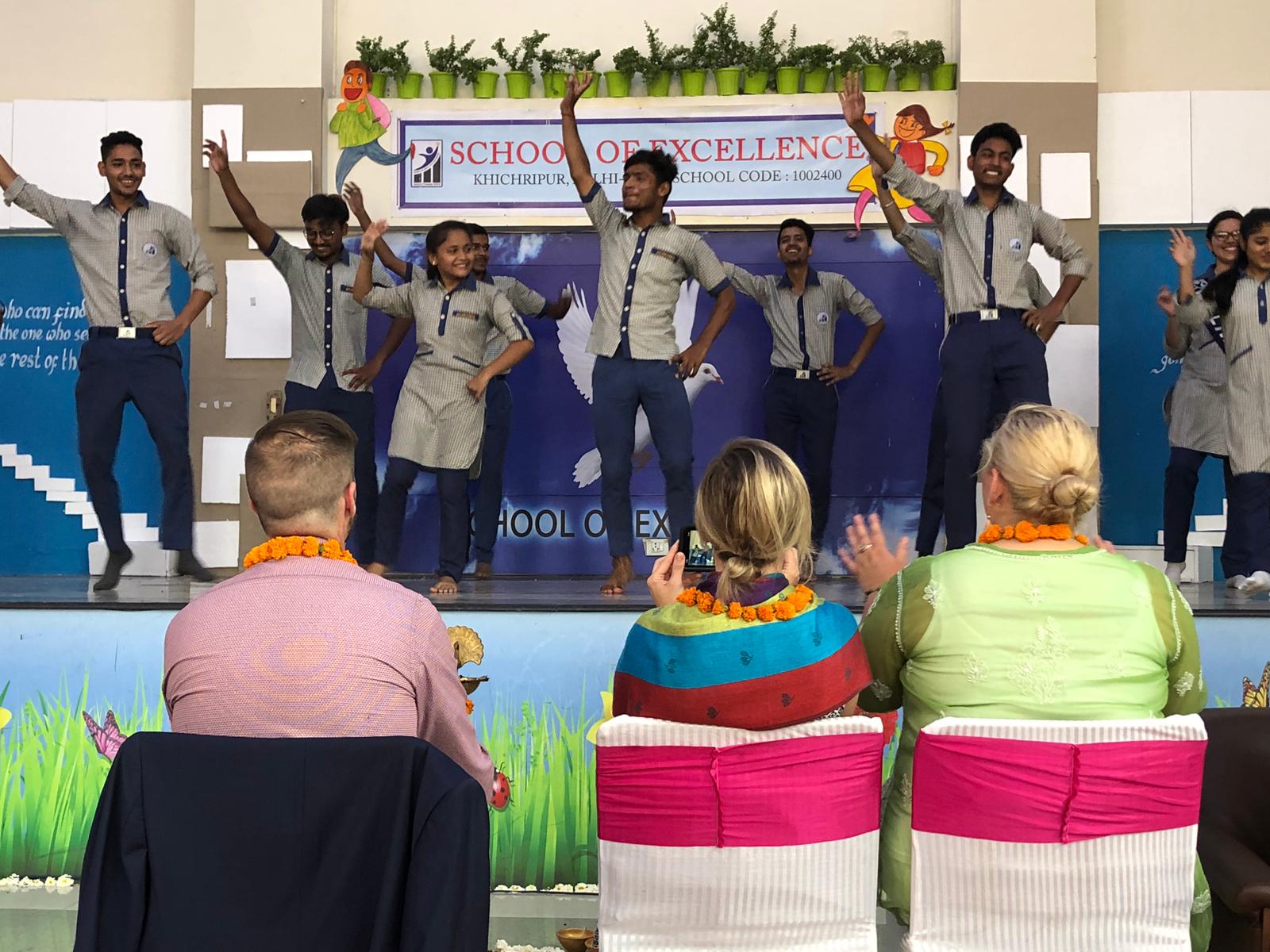
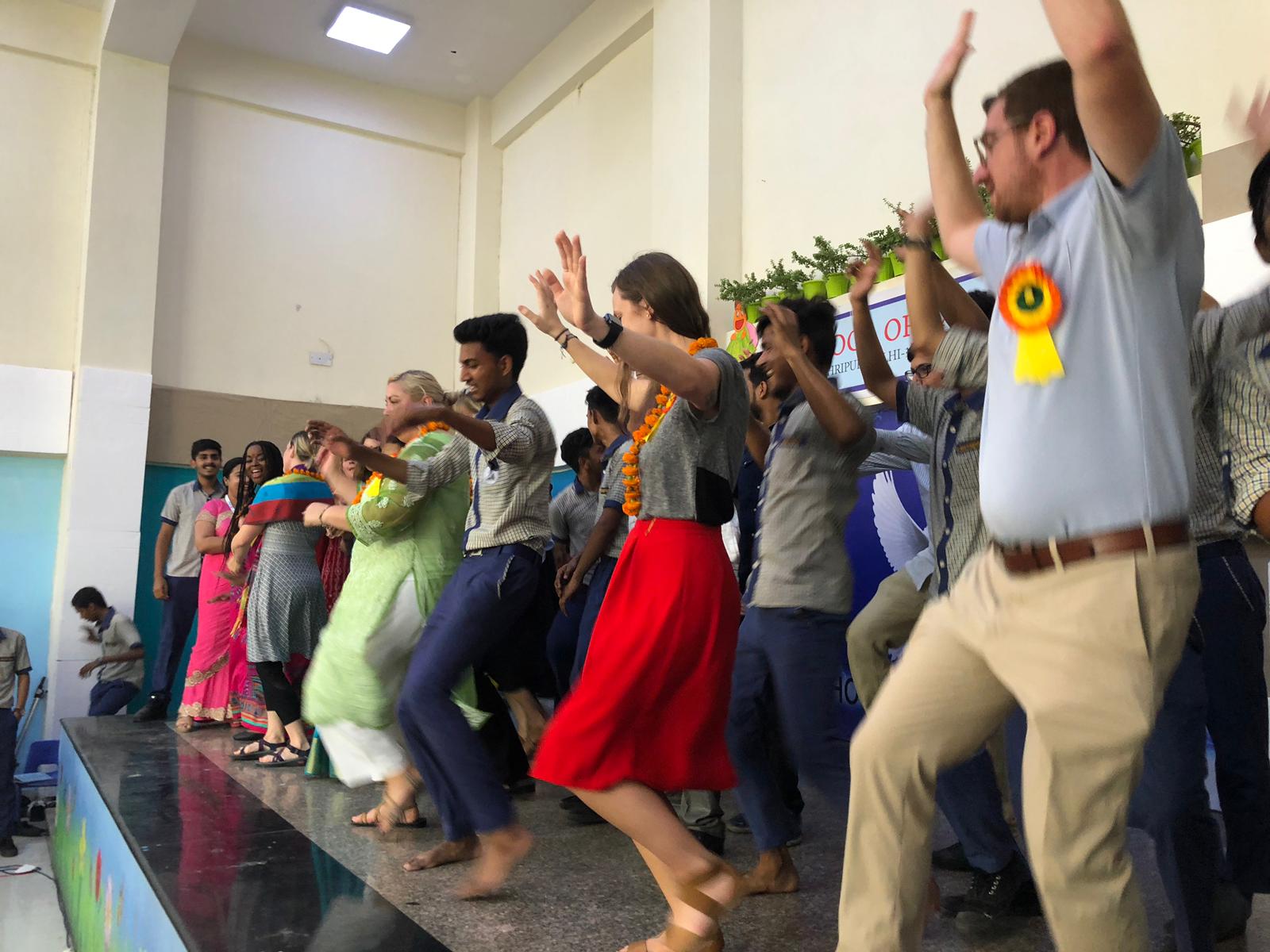
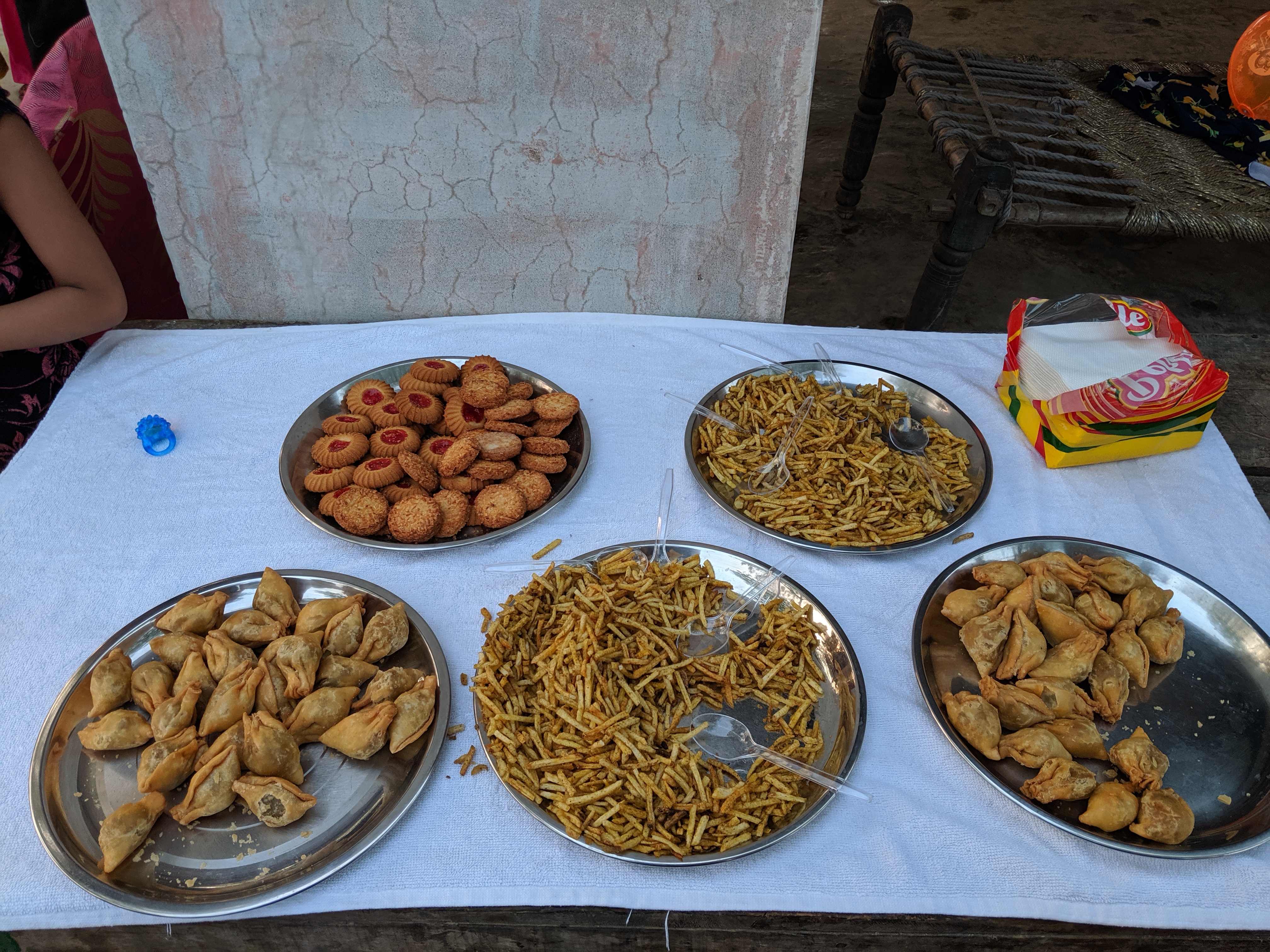
Before arriving at the hotel that evening, Rajesh decided we needed to be treated to a cultural music show, which he himself helped to organize along with some friends of his who are mostly teachers. We pulled into a hotel, a little confused, but open to whatever Rajesh had planned, and entered an event space room with a full buffet and a number of performances — a classical Indian music performance, a saxophone performance (we have a music teacher in our group who plays sax, so this seemed fitting), and two incredible dance performances by troupes from University of Delhi who specialize in Punjabi dances. The energy of the performances helped to rouse us from whatever weariness we felt after many hours on a bus and eventually we all got up to dance, as our hosts insisted that we learn the moves. This whole event was a fitting and energetic end to our time here and helped us feel more bonded. Our group really was great, with no drama, and positive energy at each juncture. I’ll miss this crew.
And, lastly, I thought I’d note down some final thoughts/takeaways before departing. These are a mix of things that have been on my mind throughout and things I just want to make sure I remember. In no particular order:
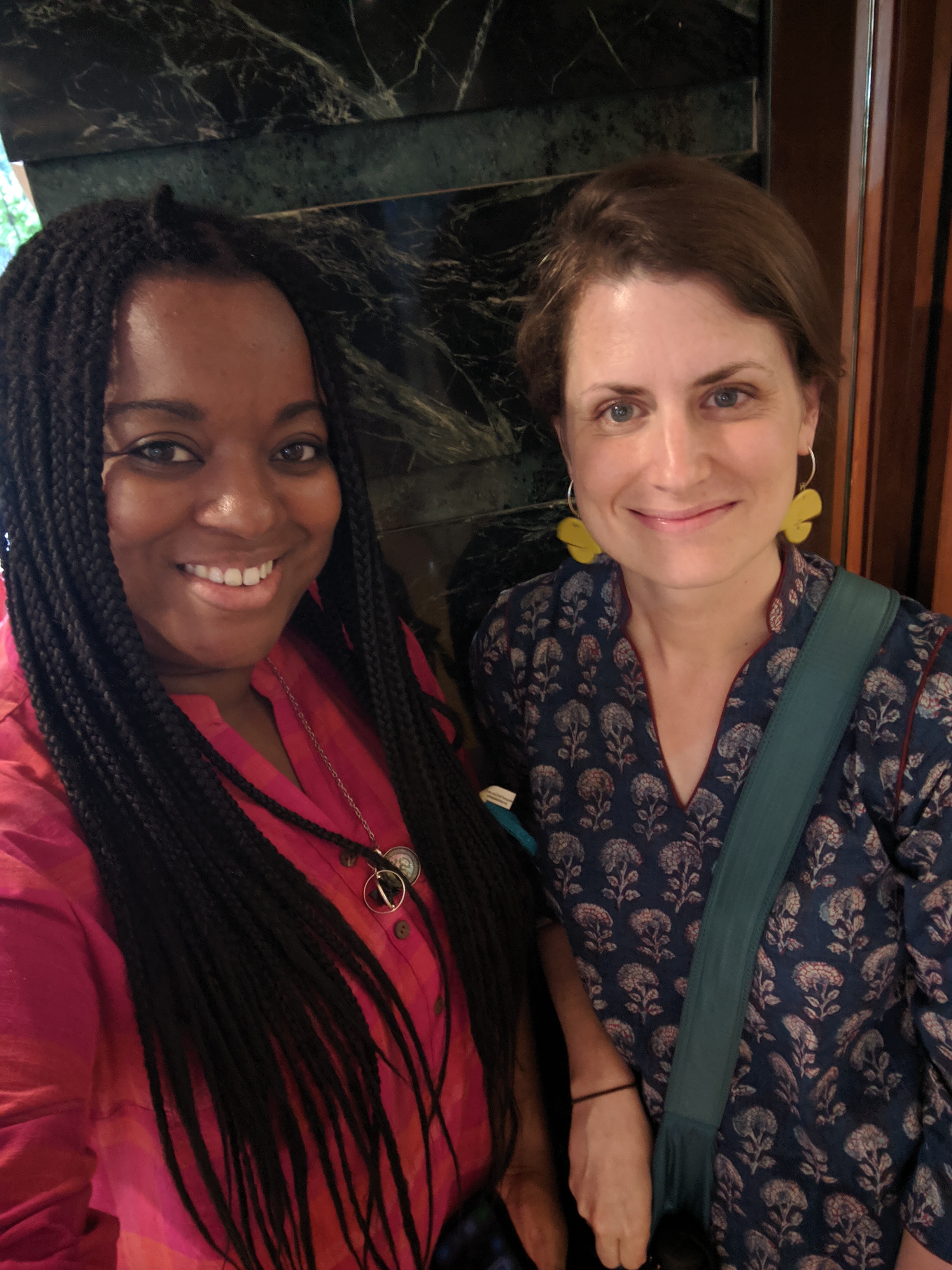
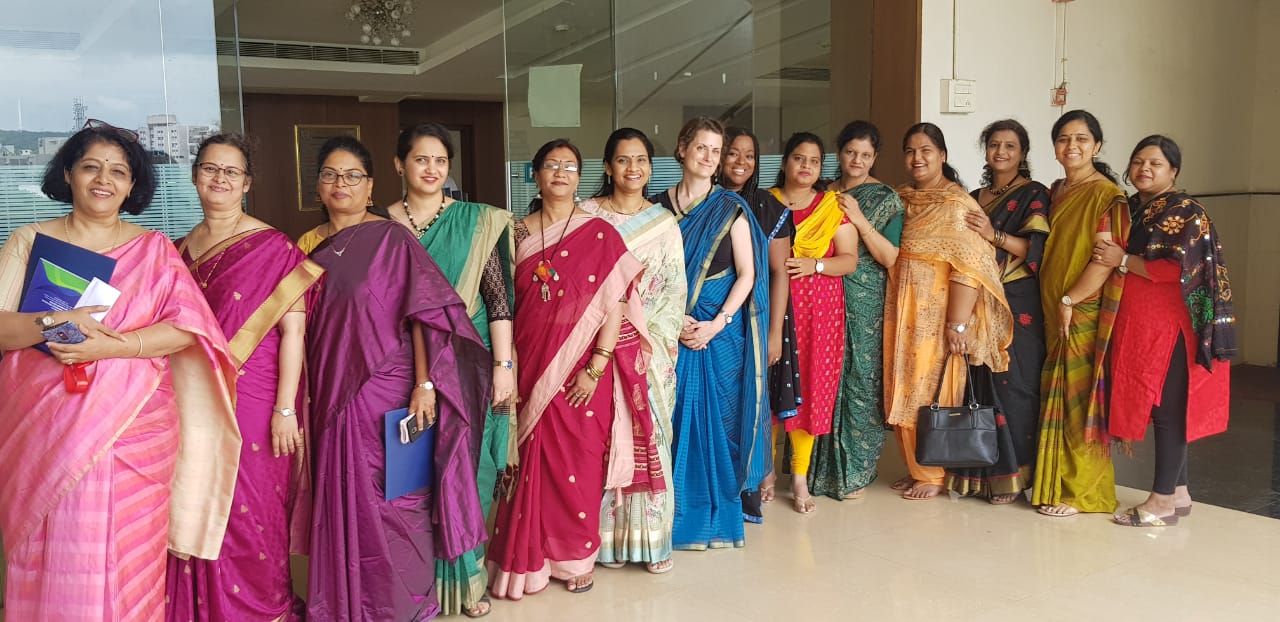
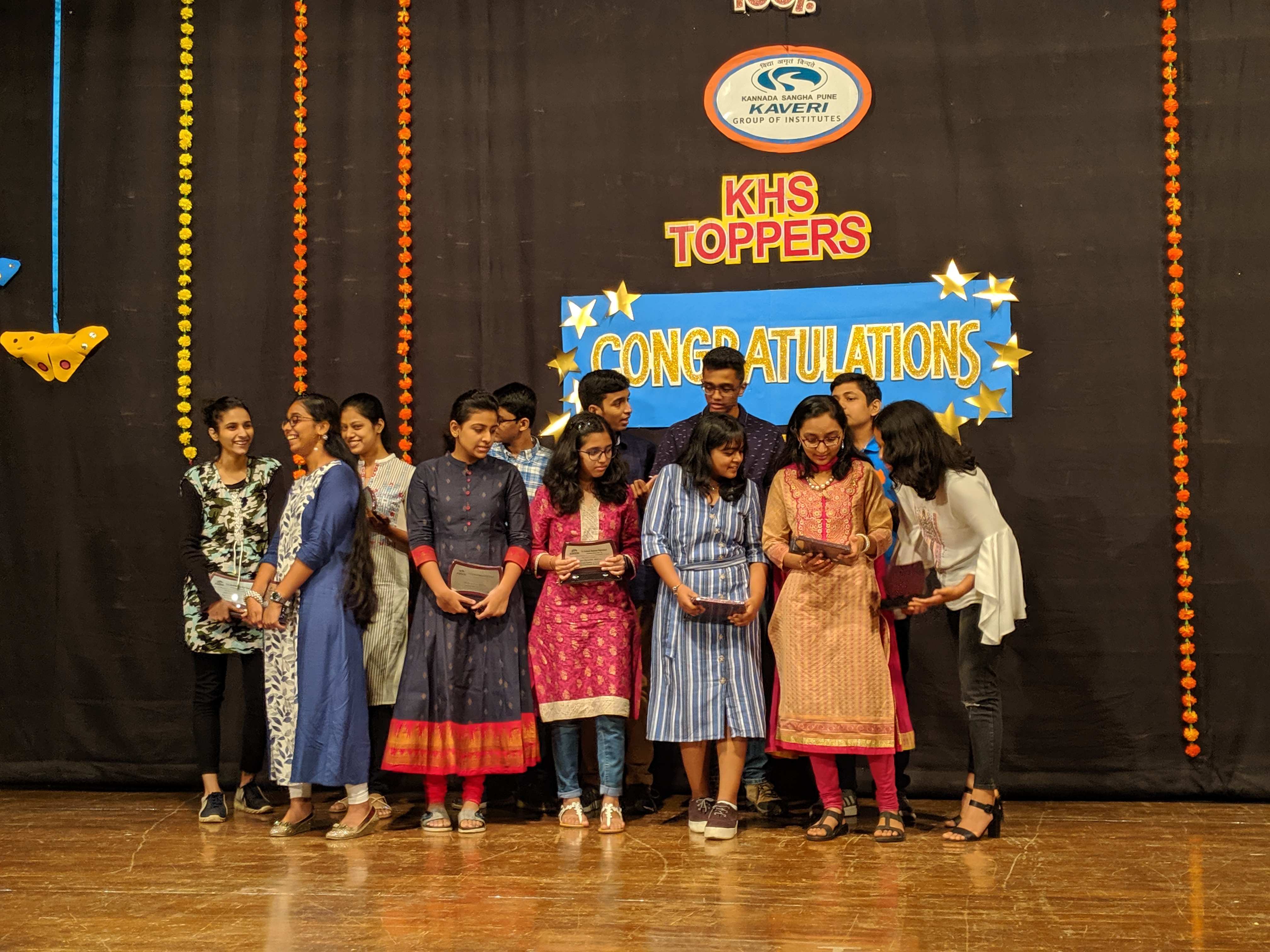
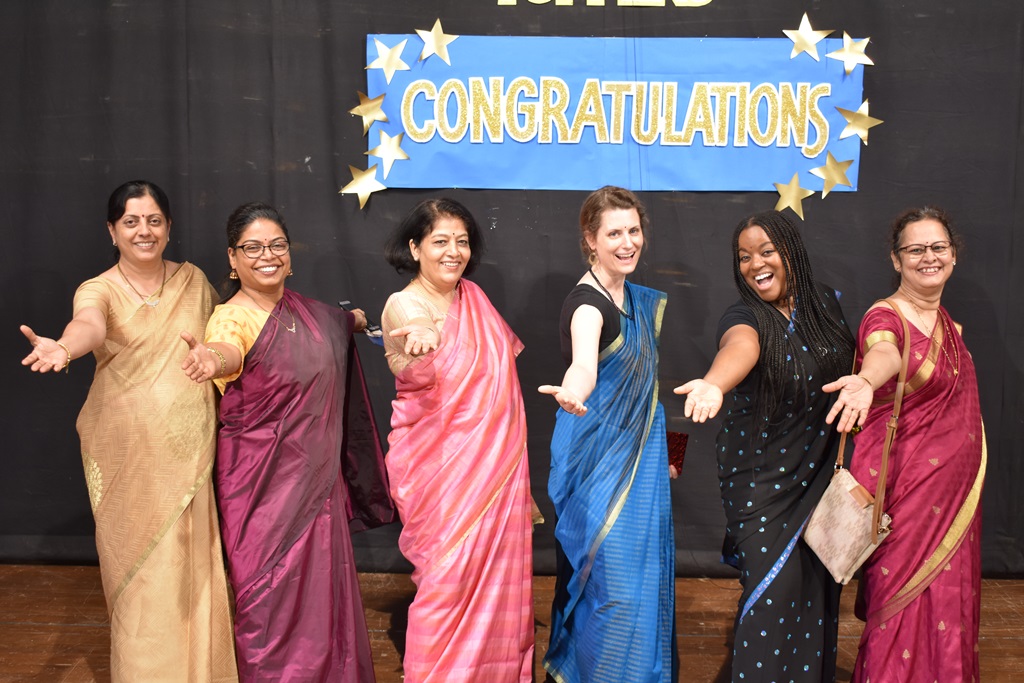
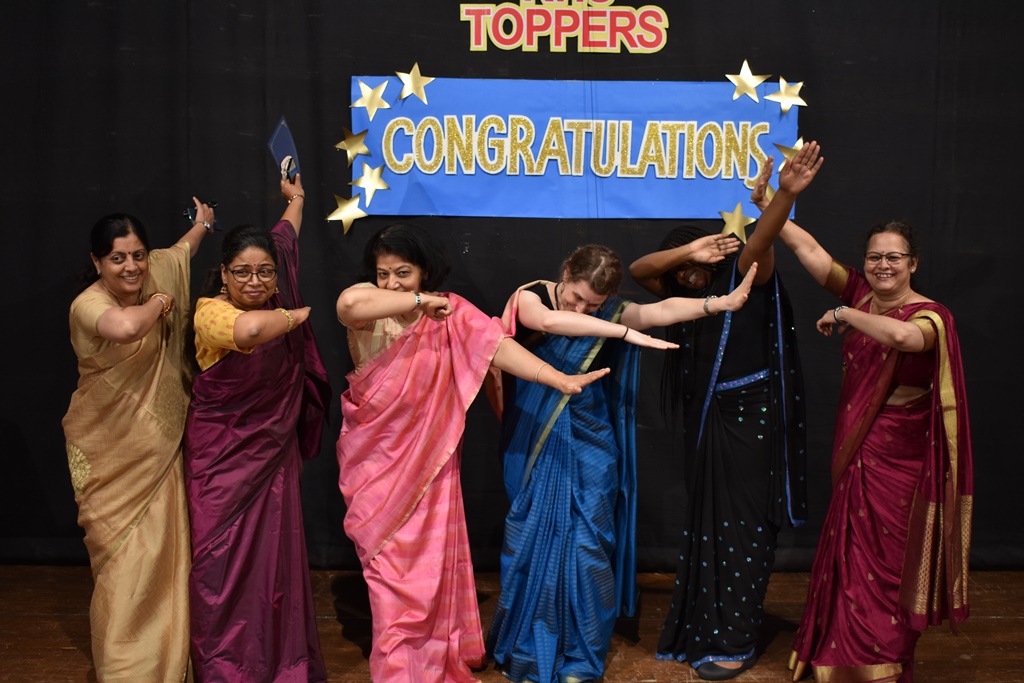
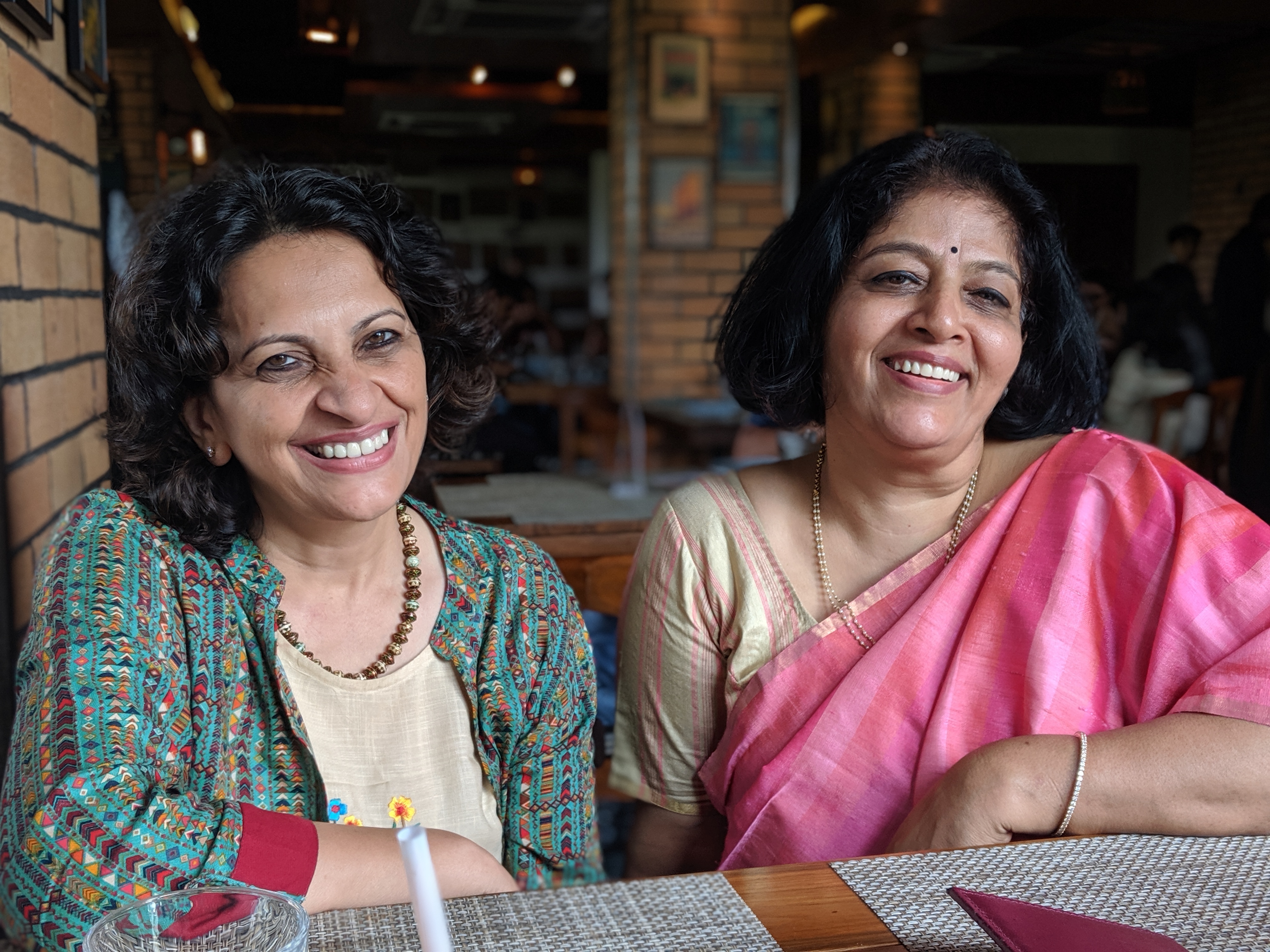
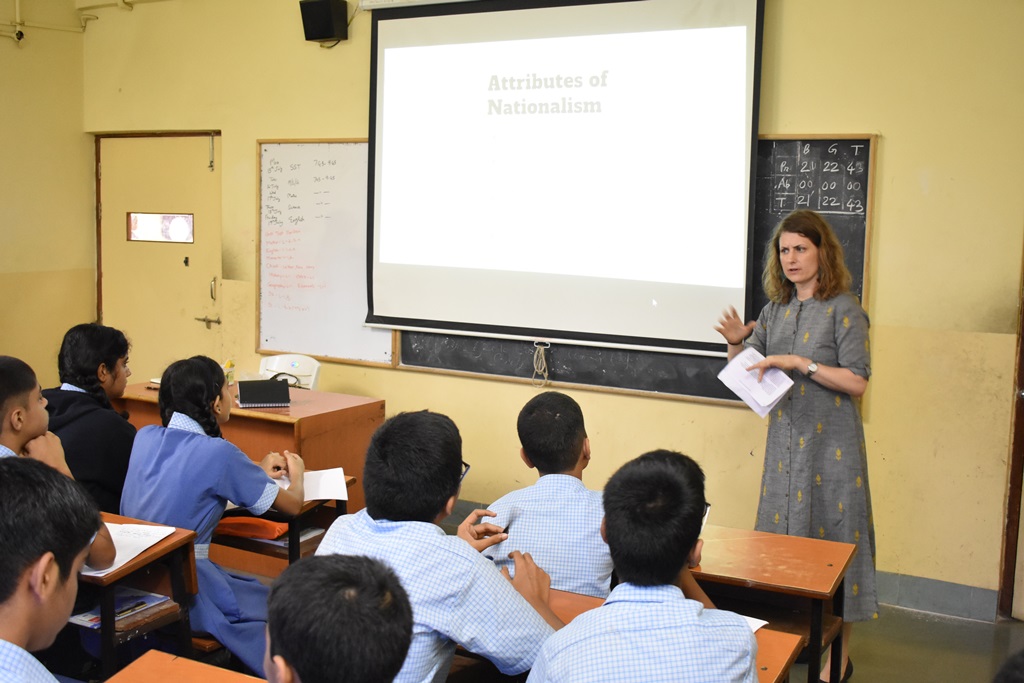
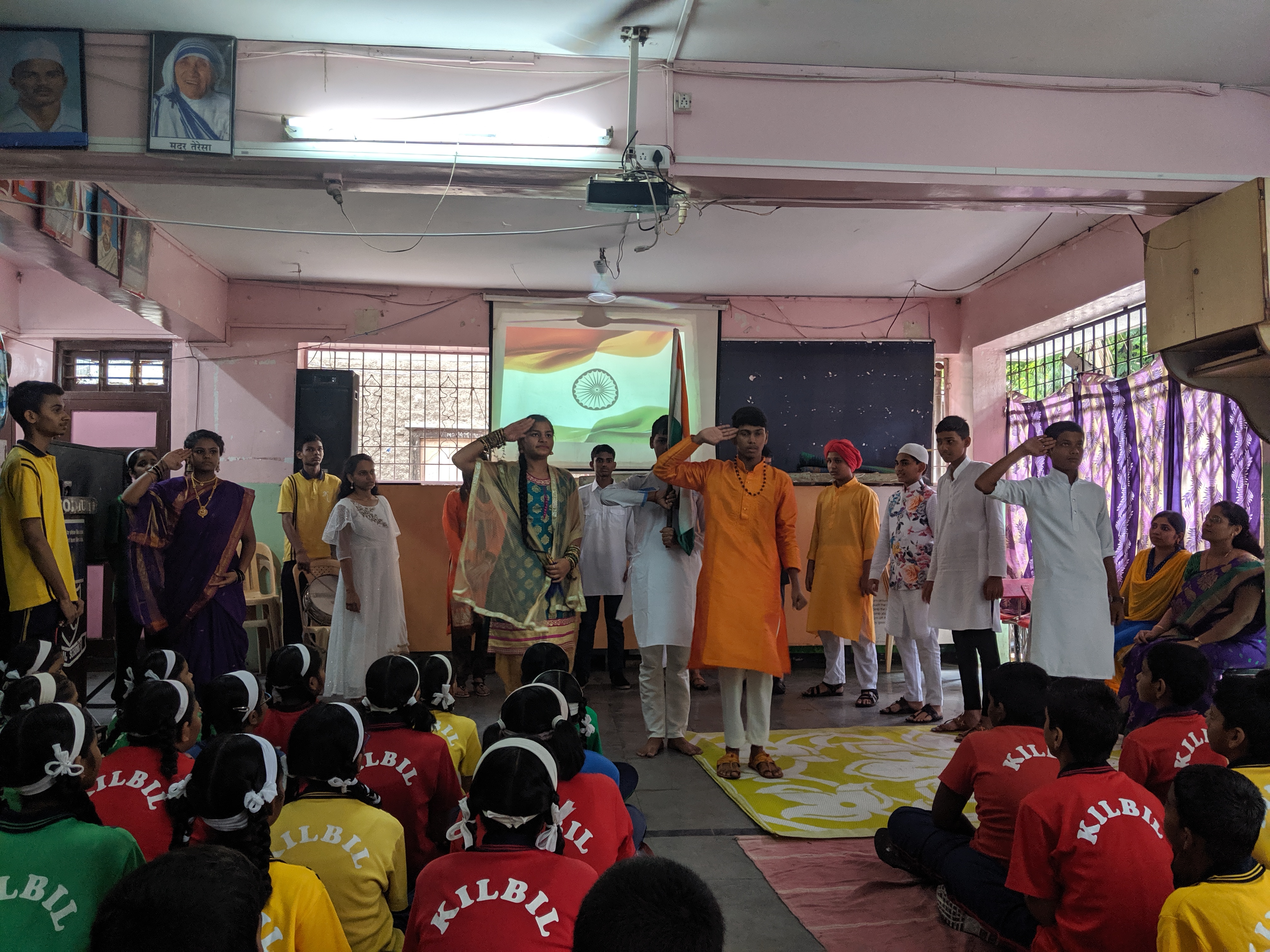
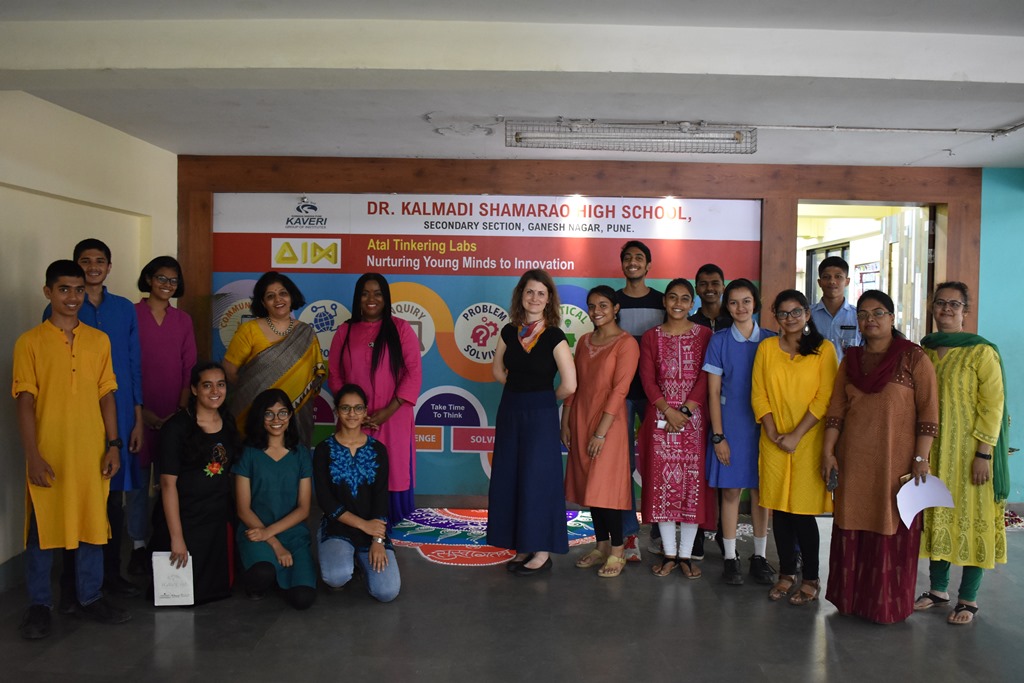
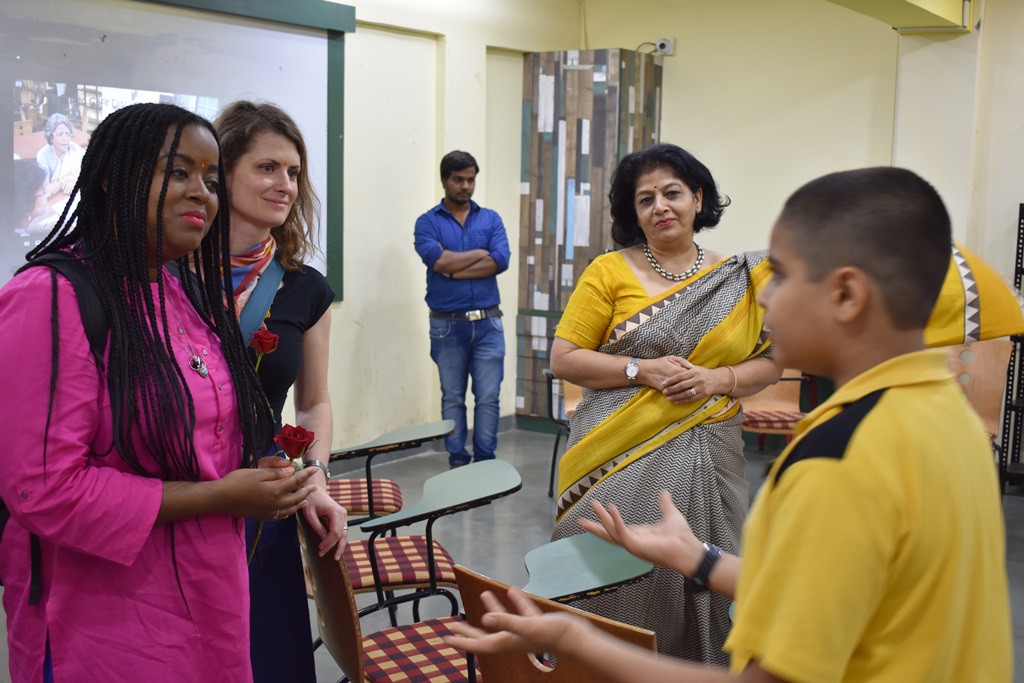
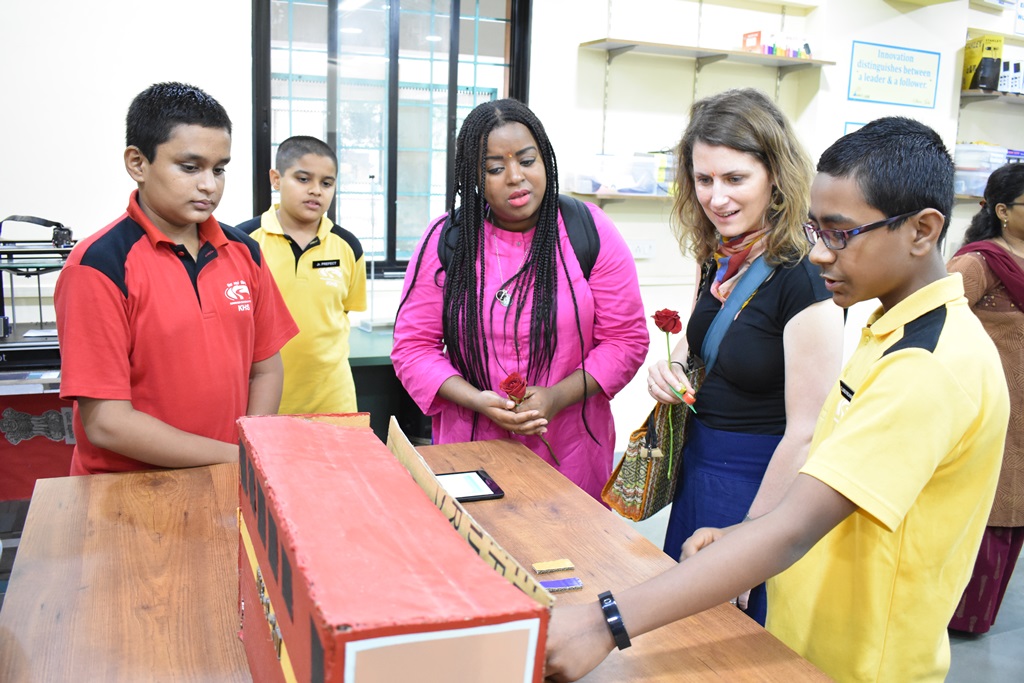
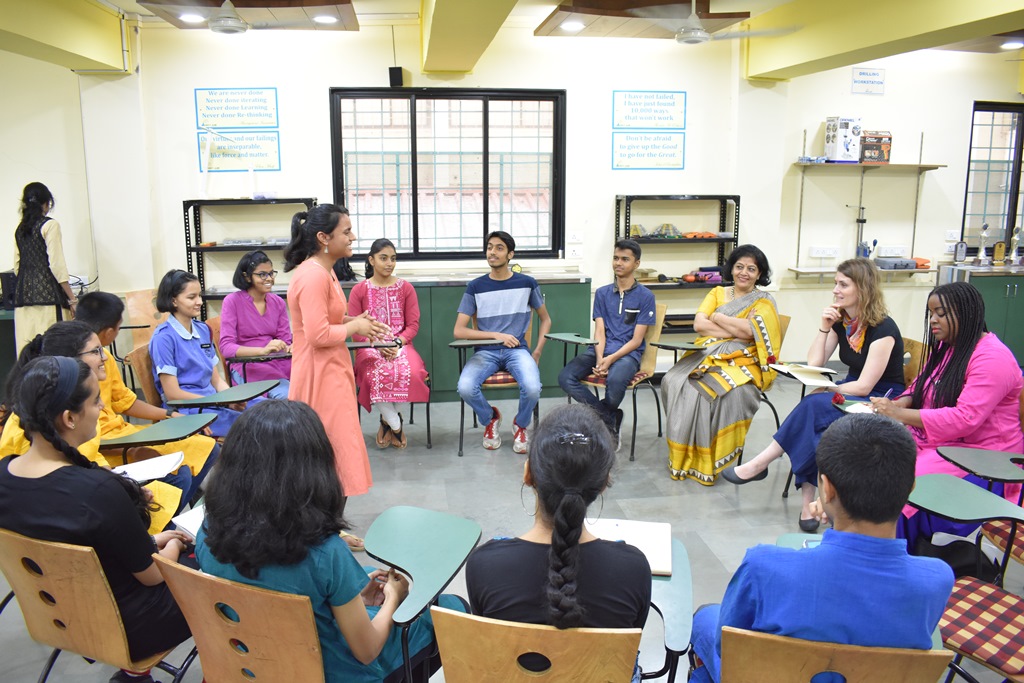
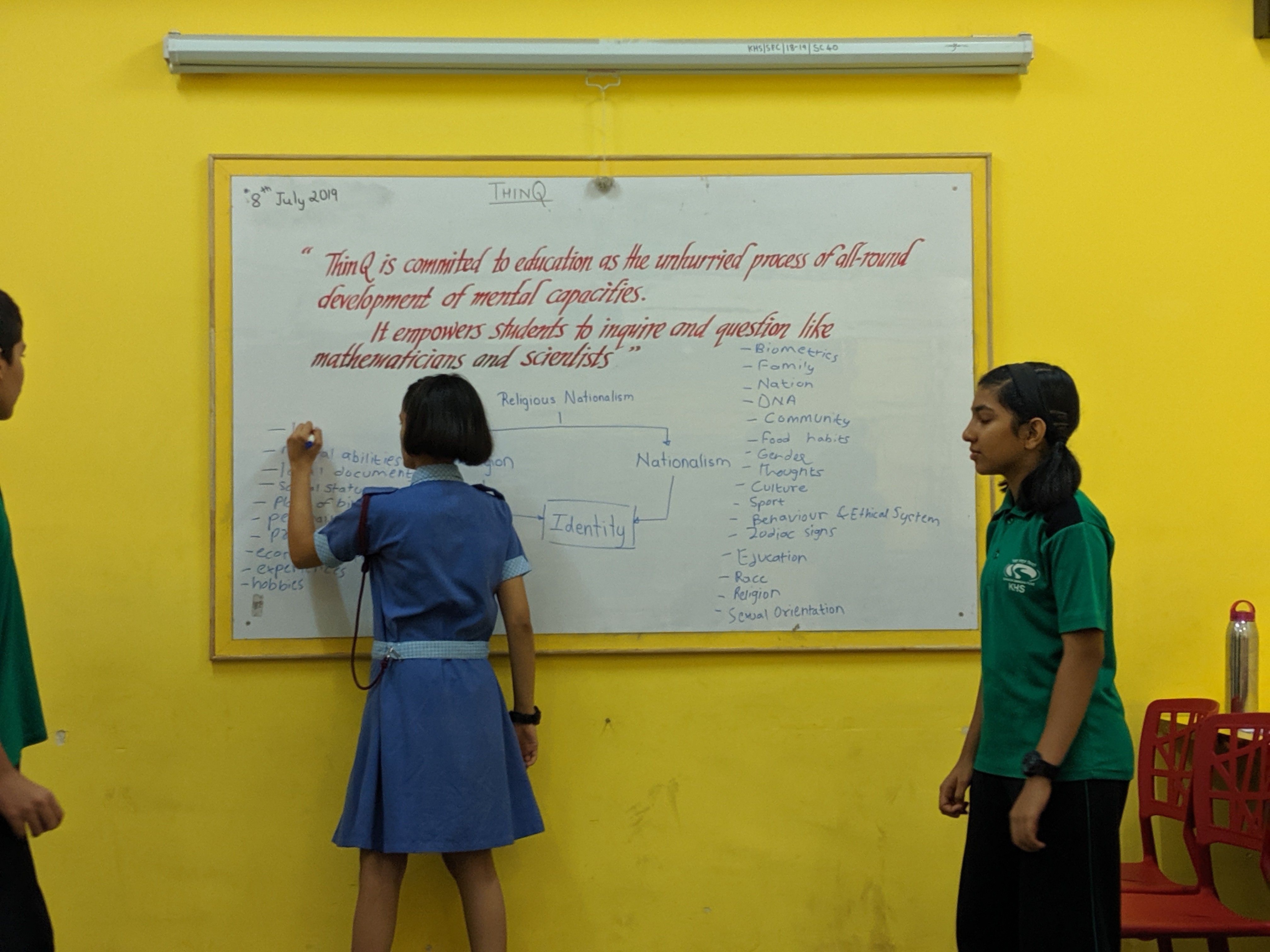
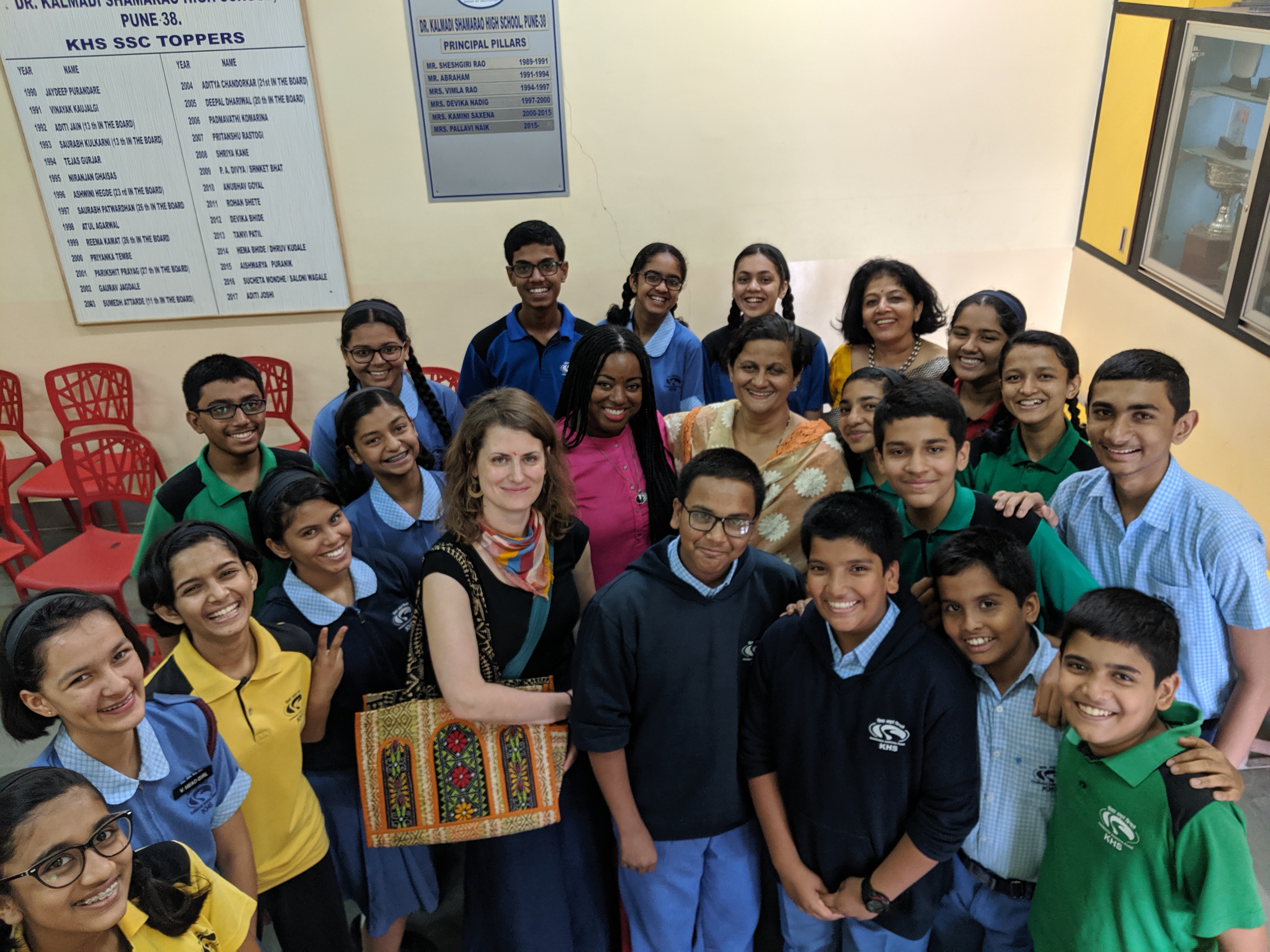
- It is so helpful when traveling to have a good travel partner(s). But on this trip, and group trips generally, one is given little choice in these matters. This is why I was so thankful to be paired with Davie during our week together in Pune. This portion of the trip is known to be the most intense — you may be asked to spontaneously teach classes, you may find yourself in tricky cross-cultural situations where you don’t know what to do or what to say, you might feel tired and worn out after super scheduled days, or you might feel sick after eating unfamiliar foods and eating a lot of them. You want to have someone who is empathetic and understanding and funny and real with you, and I did! Davie and I were an ideal pair. Neither of us tried to outdo the other when asked to present or perform at the school–we let each other do our things and speak to our own realities. We worked collaboratively and made sure to check in with each other to gauge our energy levels before agreeing to things. We had similar senses of humor, which was probably the most important piece– this allowed us to be real about indigestion and other less-than-savory, but ever so important, indignities that happen on trips like this. (We both have a fairly healthy appetite for toilet humor, so this served us well.) Lastly, and maybe most critically, we have similar views about, though different lenses through which we see, social and political issues back at home and that translated into being able to be incredibly reflective about some of what we saw and experienced in India and how structural issues we saw connected to those back home. I’m thankful that we got to spend a full week together on top of the group time on both ends of the trip.
- Group travel has its pros and cons.
- Pros
- Most of the stresses of logistics and planning are left to other people, which makes your life easier.
- If you’re traveling as part of a grant, as we were, you pay for very little and that saves you a lot of money. For the teachers out there: Apply for travel grants or programs that pay for your travel; there are lots of opportunities for this kind of travel.
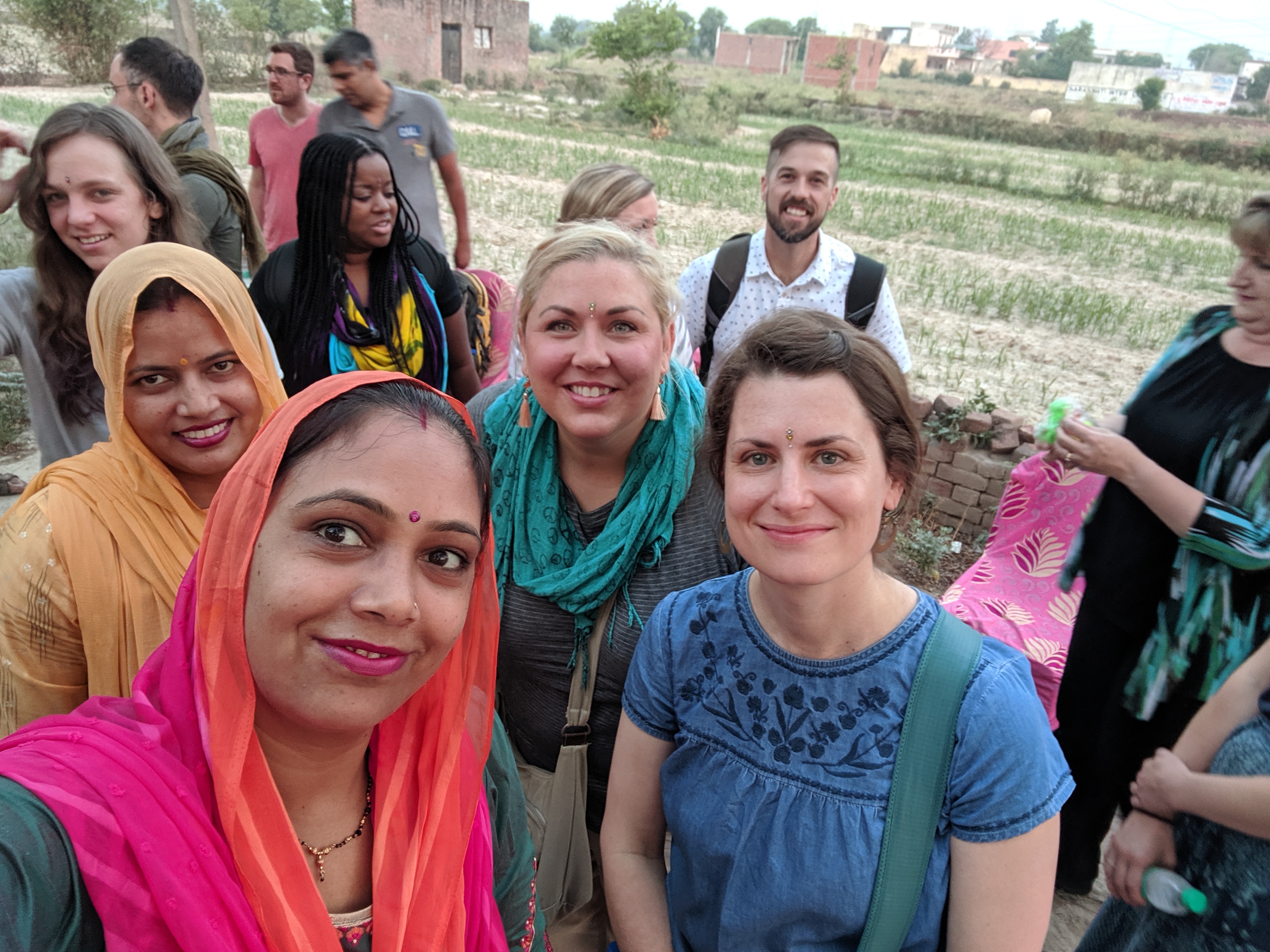
- You get access to people and places that you likely wouldn’t if you were traveling on your own, without local connections. We got to visit schools, eat meals at people’s houses, and ask questions of Rajesh and our other Indian hosts whenever we had them. This gave us more of an inside view.
- You can make new friends and connections, which is fun.
- Cons
- Your schedule is pretty controlled and you may not have the opportunity to do or see as much as you’d like had you planned the trip yourself.
- Being driven around everywhere is convenient and more comfortable at times, but it doesn’t allow you to see and experience as much on the ground. The few times we were able to venture out and explore felt liberating in a way. I would like to come back to India under different circumstances to see more on my own and to use public transportation more to get around.
- Traveling with a group of Americans makes it difficult at times to step out to talk more with people in India. It can also be difficult when you do have opportunities to have discussions with people you meet in the country to have meaningful conversations when there are several other people in the group who would also like to have these types of meaningful conversations. You’re sort of jockeying for attention, which can be tricky.
- Pros
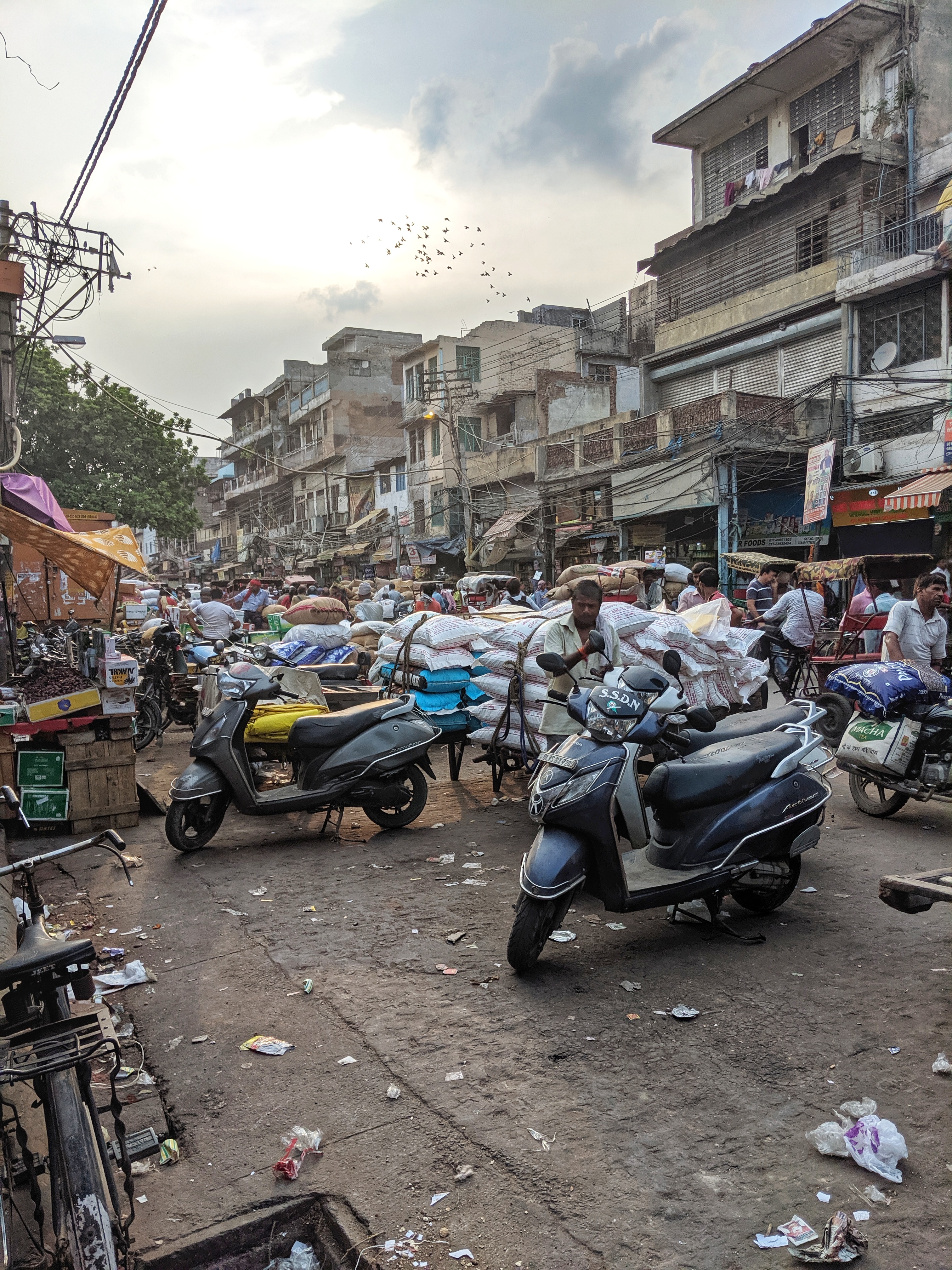
- It’s important to remember “The Danger of a Single Story” when traveling, especially when traveling in a so-called developing country. For those of you who are unfamiliar, Chimamanda Adichie, famed Nigerian-American writer, gave a TED Talk in 2009 called “The Danger of a Single Story” where she spoke about the importance of recognizing the dangers that come when we build our understanding about others or places unknown to us on single narratives. These singular narratives are particularly problematic when we speak about people and places that historically have less power and agency to determine and shape their own narratives. India is a country that I think many in the West have preconceived notions about. It is a country of extremes, we’re told. The wealth that is continuing to expand to the upper classes in the country is striking, as are the continuing signs of poverty. But it is the poverty that tends to capture more attention from visitors I think, and this focus, while understandable can also distract from a more complete story. For many, especially those who haven’t traveled to a developing nation before, the signs of this poverty are overwhelming and often distressing. However, I think we need to remember Adichie’s message when processing these scenes. One small example of how important it is to call on her message is when observing the tremendous amounts of refuse piles that build up in parts of cities in India. While it is true that trash heaps in cities here are unsightly, unsanitary, unsafe, and unsustainable in the long run, to think that people do this simply because “it is the norm” or that “they just know no other way of doing things” is incomplete in its understanding of the problem. It is easy for us to look at some of these scenes and decide that what is missing is simply education, but this misses a few deeper understandings.
- The Indian government and its people are not unaware of the pressing environmental problems facing the country. India is a country with 1.3+ billion people, and within that 1.3+ billion are experts in all fields who are working to mitigate climate change and working to enact policies that will help India grow more sustainably in the midst of climate catastrophe. One of the best things we as Americans can do (I think) when we witness distressing scenes that compel us to want to act, is to first find out what efforts are happening to combat the issue in-country and then to consider what we can do in our own communities to work toward change. The U.S. has major environmental issues, too. What can we do at home?
- India is industrializing and growing at an incredibly rapid pace and at a time when the world is more aware of the environmental dangers that result from this growth. In contrast, Europe and the United States saw its own industrial and post industrial growth much earlier, at a time when the world was far less aware of the dangers this growth posed to the environment. In other words, the U.S. and the West bear a lot of responsibility for the crisis we’re seeing today around climate change. The trash heaps (as an example) are a symptom of something much deeper and in some ways pale in comparison to the chronic consumption of resources by the West. By only pinpointing how developing nations with overstretched infrastructures are managing their environmental issues neglects to recognize the bigger story here. It doesn’t mean we ignore the problem these countries face, it just means the solutions are more complicated than getting people to stop throwing trash on the ground.
- We need to recognize our own “situatedness” when we process what we see when we travel. We all speak from a particular set of lenses, which determines how we understand the world. It’s important to recognize this when we draw conclusions about we see. AND, it’s also important to always ask questions. Why are there trash heaps? Why are there people begging on the street? Why do I see children working? Why am I bothered by this? What are people locally doing to address these issues? Is this the experience of the majority of people here? What are some similarities we see between here and at home that can help us connect on a more human level? What troubling issues face us in the U.S.? How often do we step outside our comfort zones in the U.S. to confront systemic issues facing communities at home? If we don’t do this, could this in part contribute to why we’re so taken aback by what we see here? What seems normal or acceptable (or has become normalized) at home that people from outside our country might see and be shocked by? What can we do locally to make change in a way that will contribute to a healthier and a more empathetic world? (This last one feels more important than ever.)
To wrap things up: thank you for taking the time to go on this journey with me. I have had a really wonderful time during my stays in and around Delhi and Pune. While I am ready to return home, I am also leaving with the desire to see so much more in India. I would love to travel to Kerala in the South, the Himalayas in the Northeast, and the Thar Desert in the Northwest. I’d love to visit more schools and spend time chatting with students and professors in universities about how to make history education more dynamic and the role that religion plays in the country’s schools and curricula. I am hopeful that I will be able to do at least some of these things at another point in the future. xo

Geometric patterns at the Taj Mahal
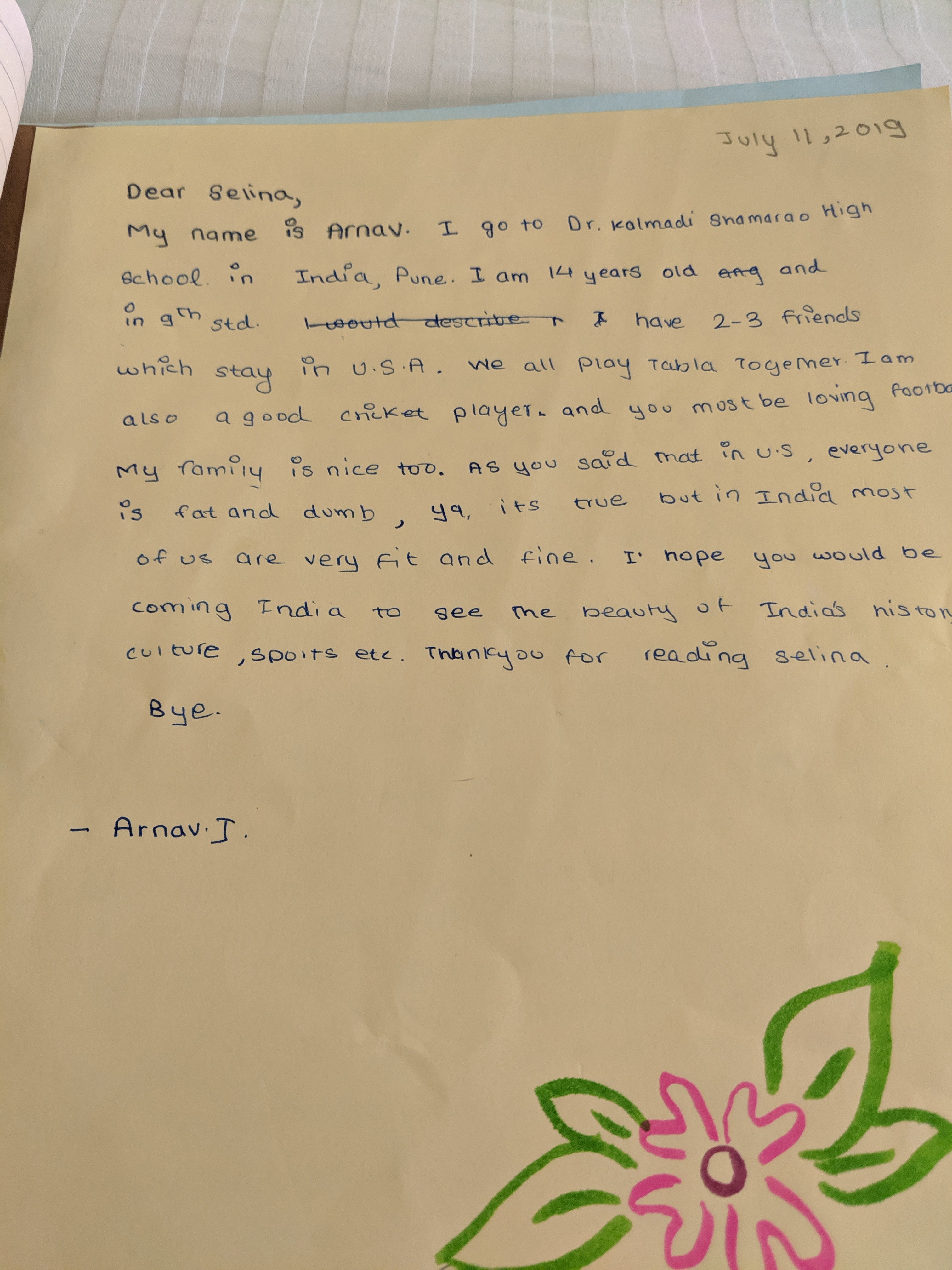
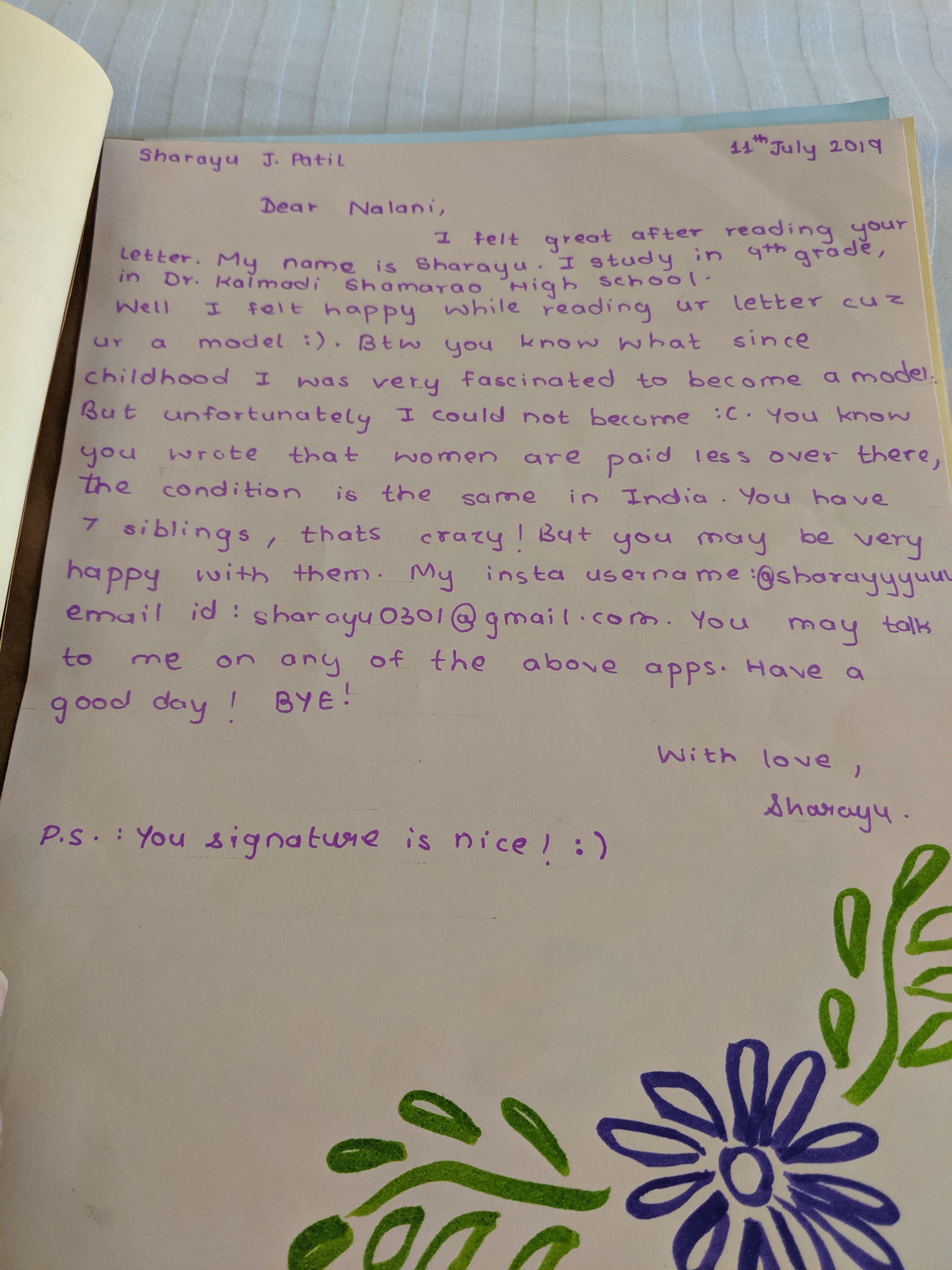
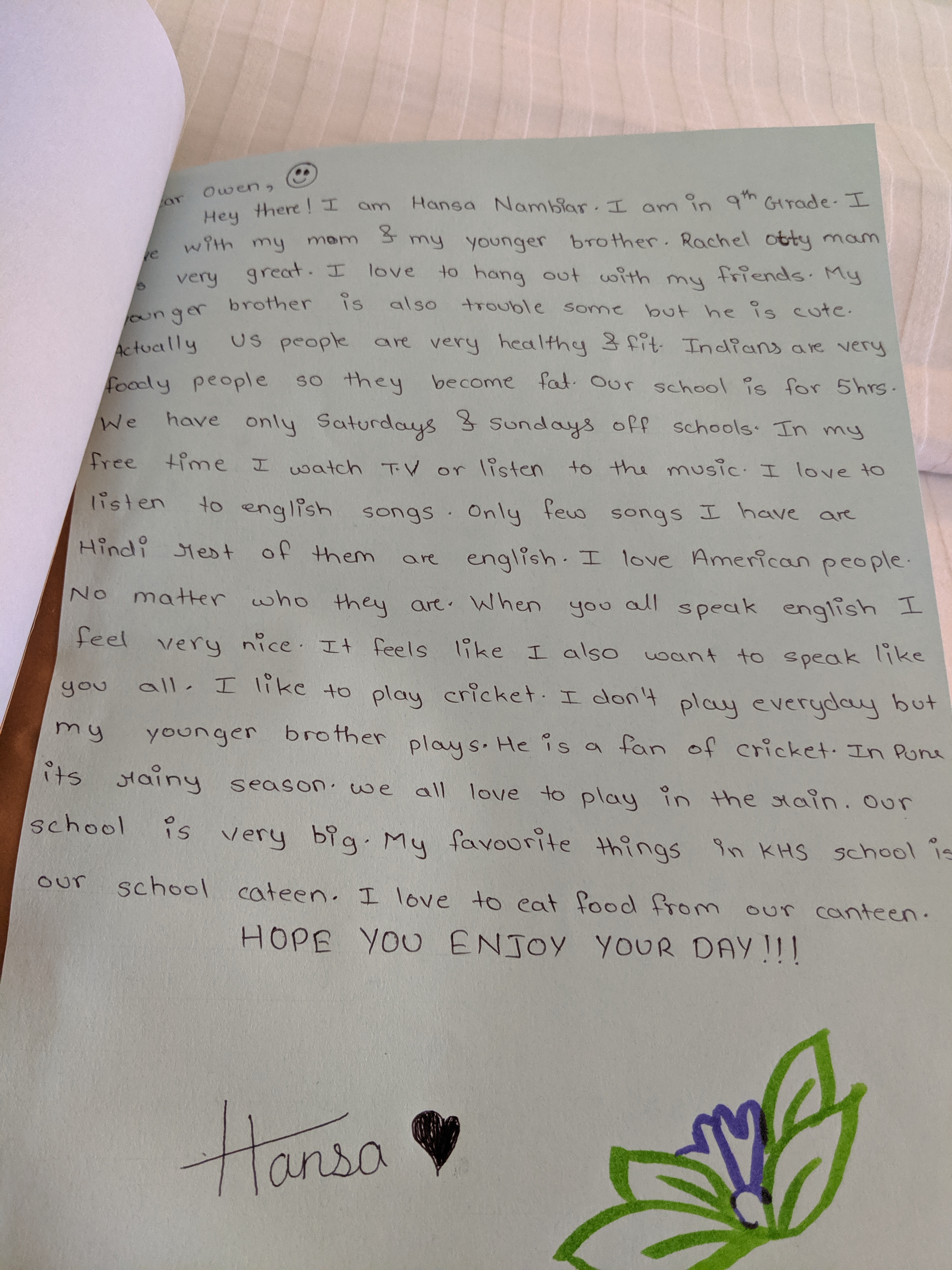
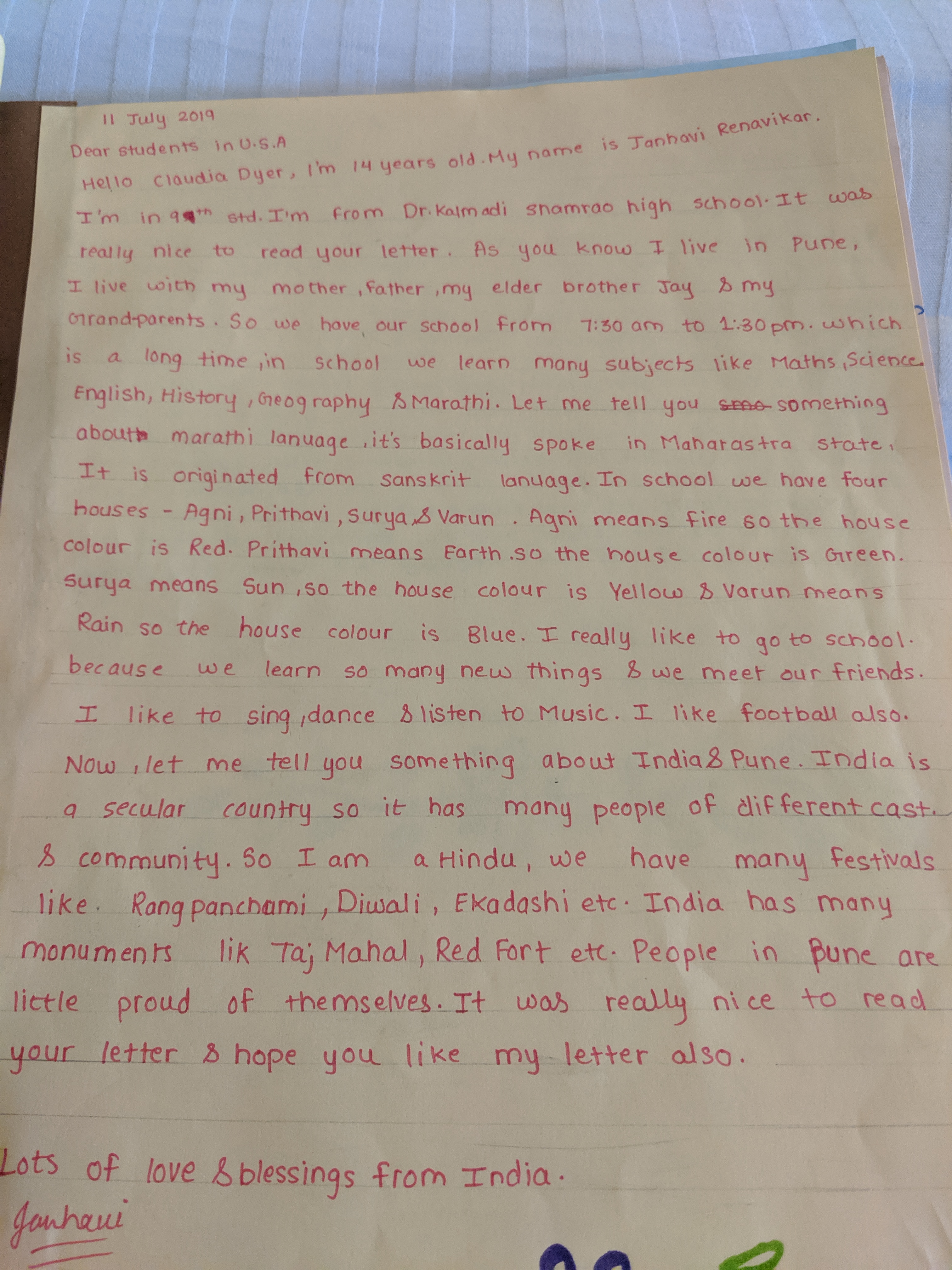

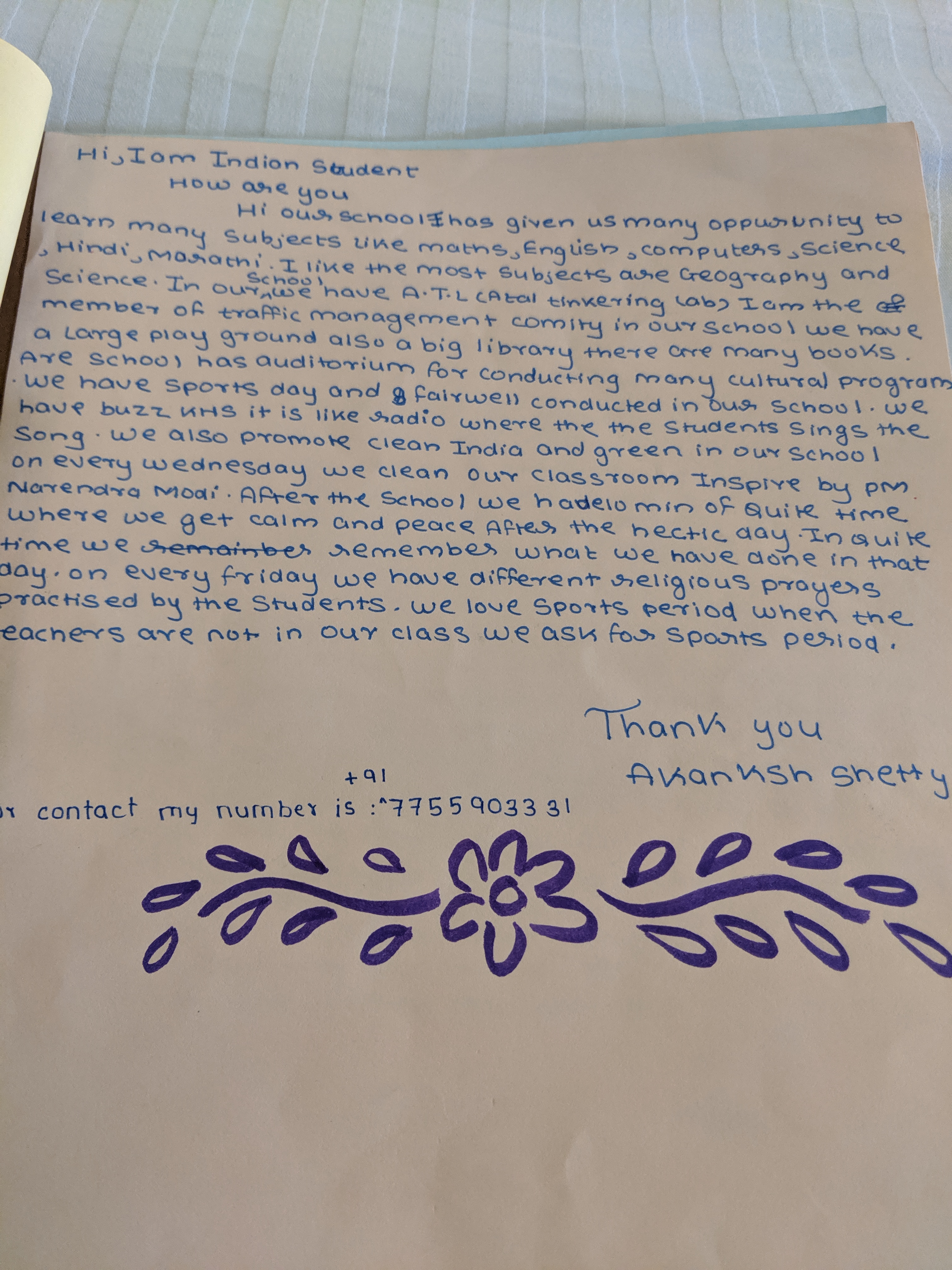
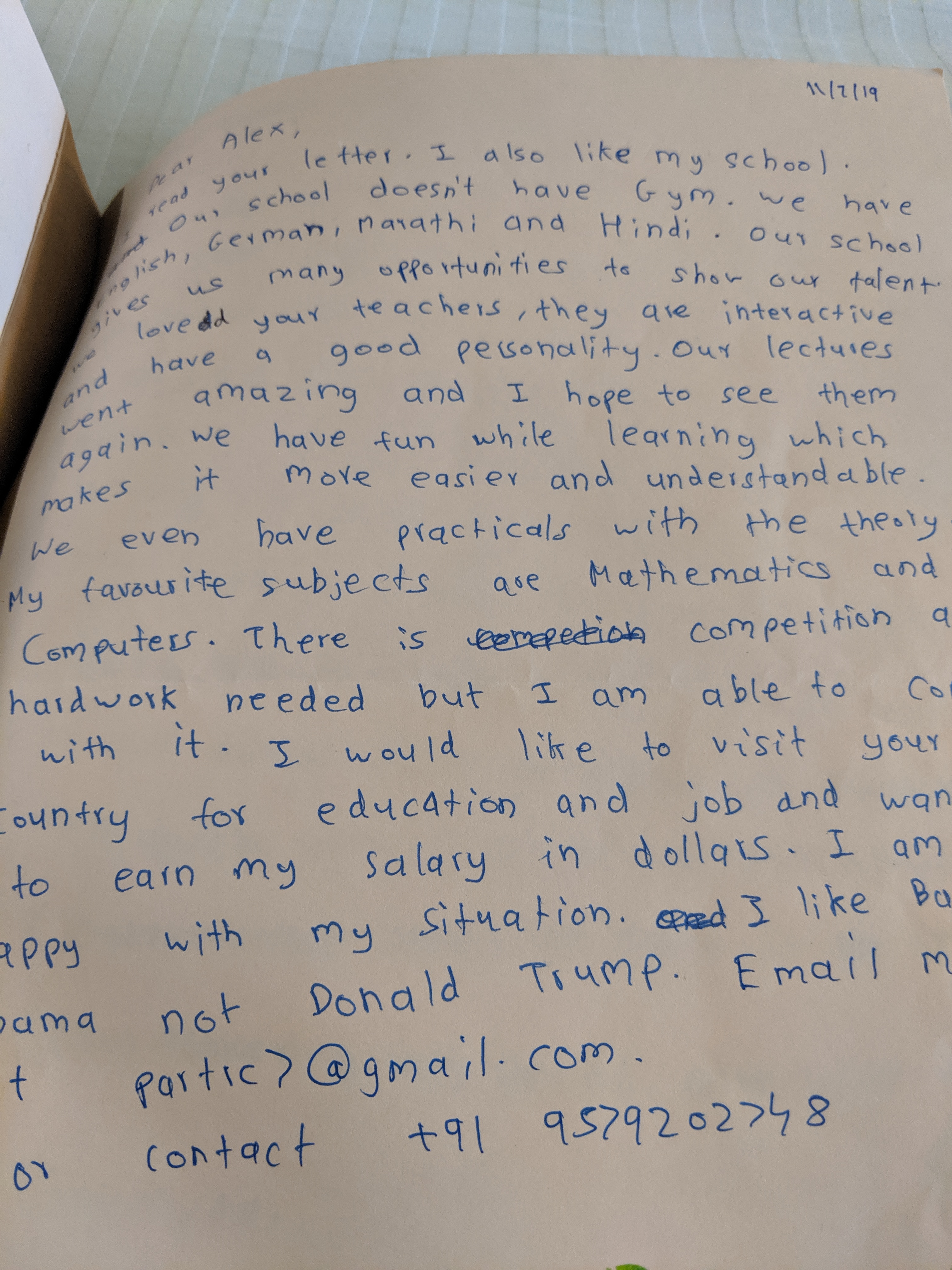

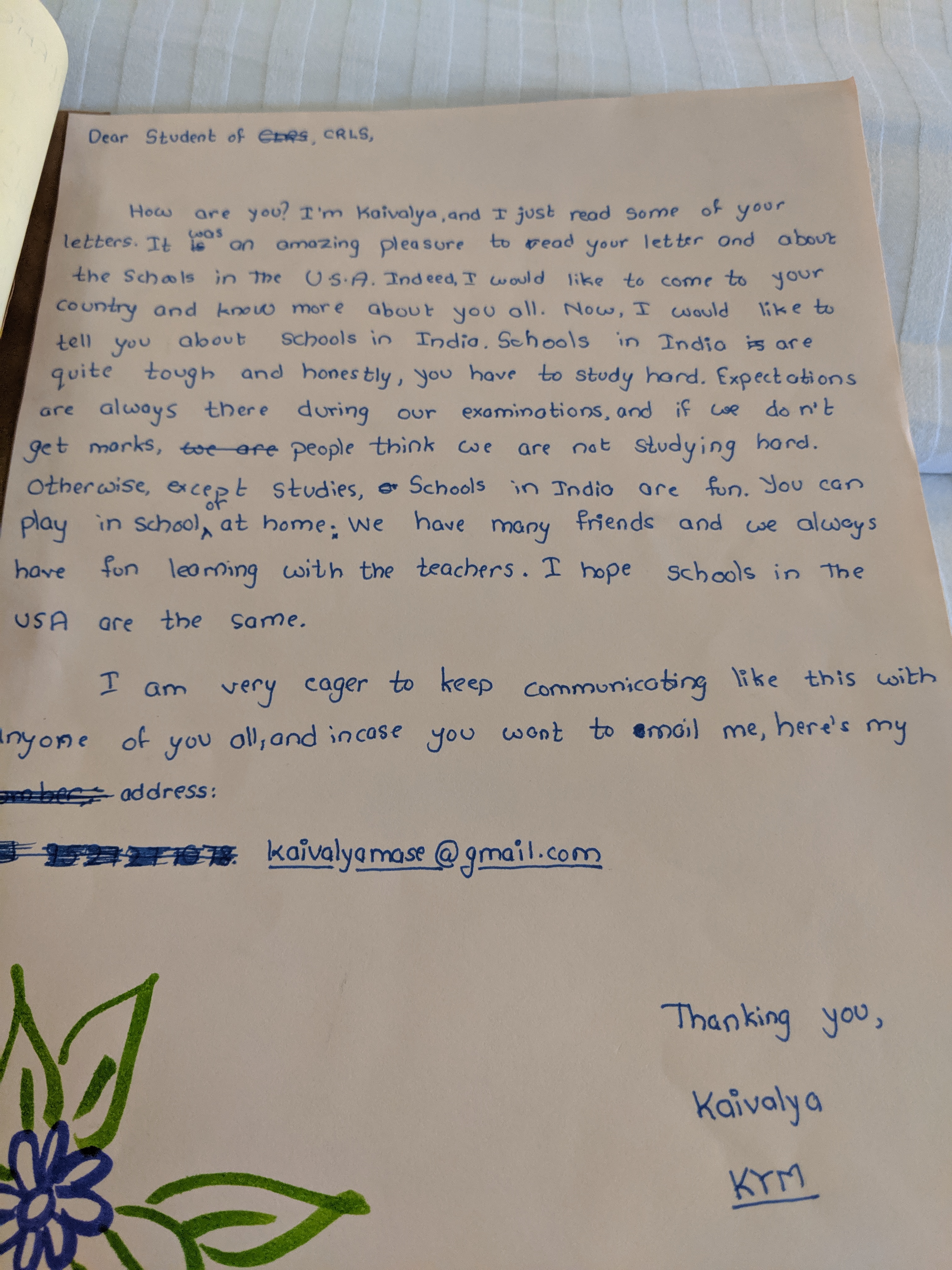
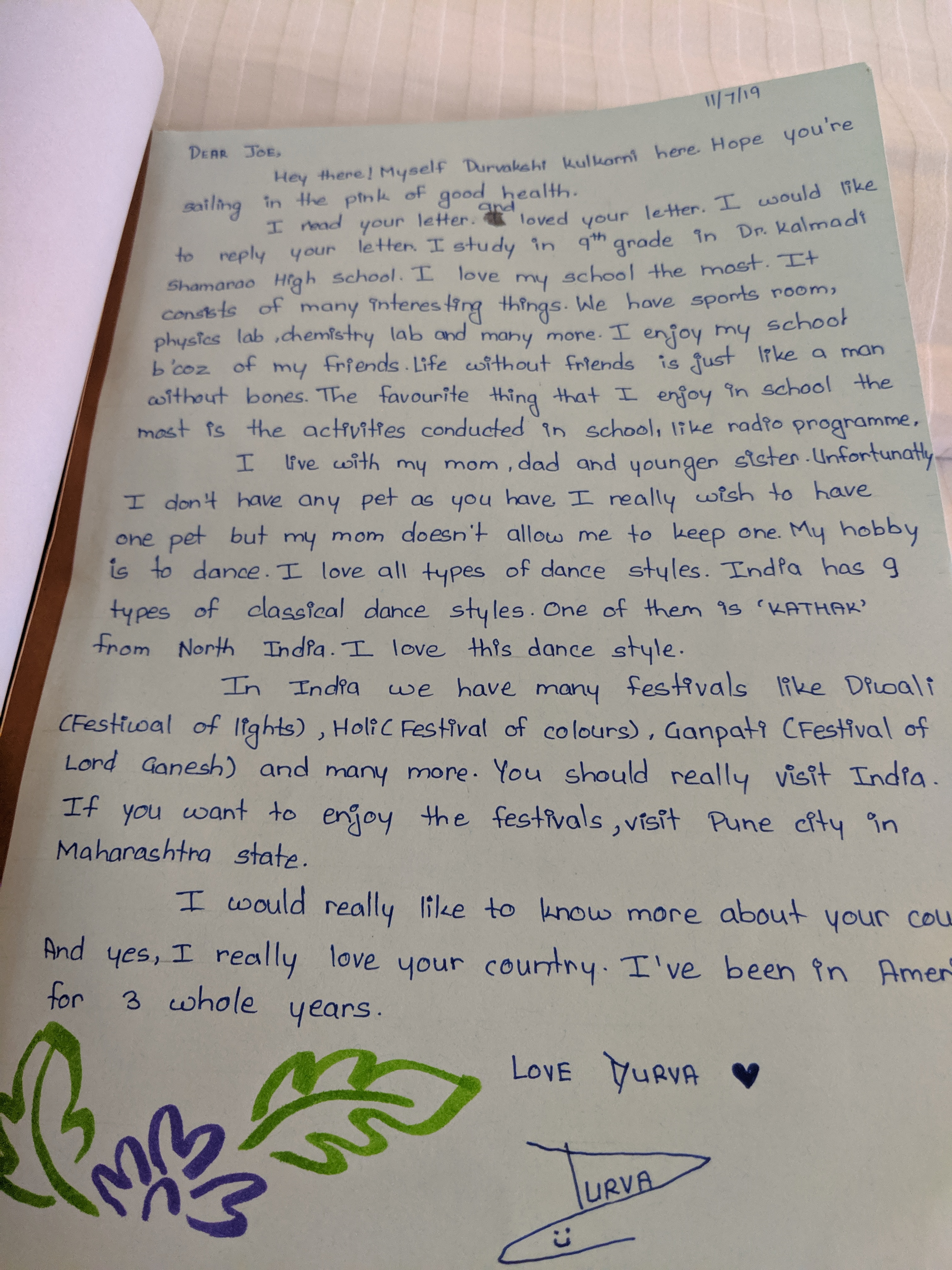
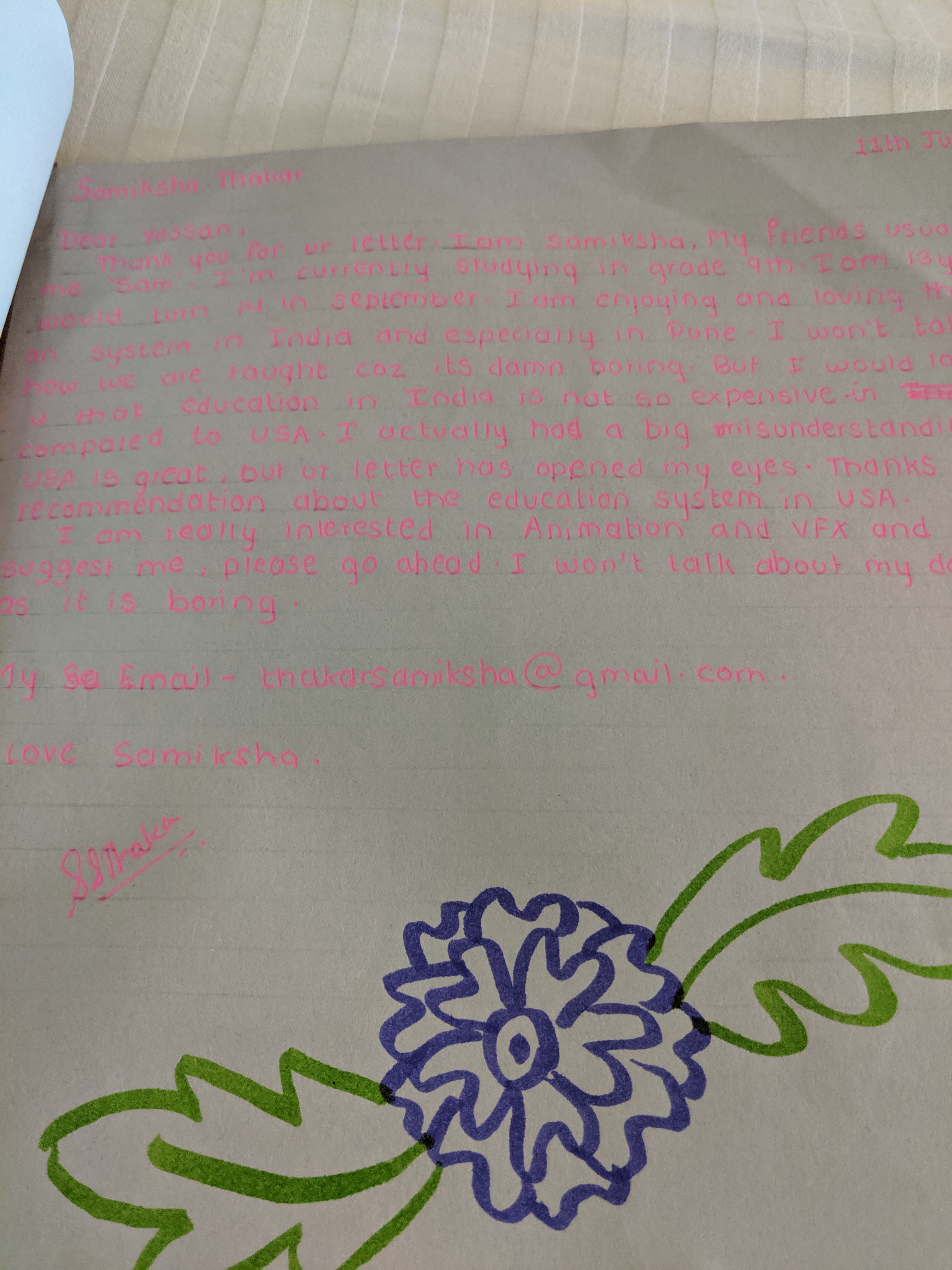
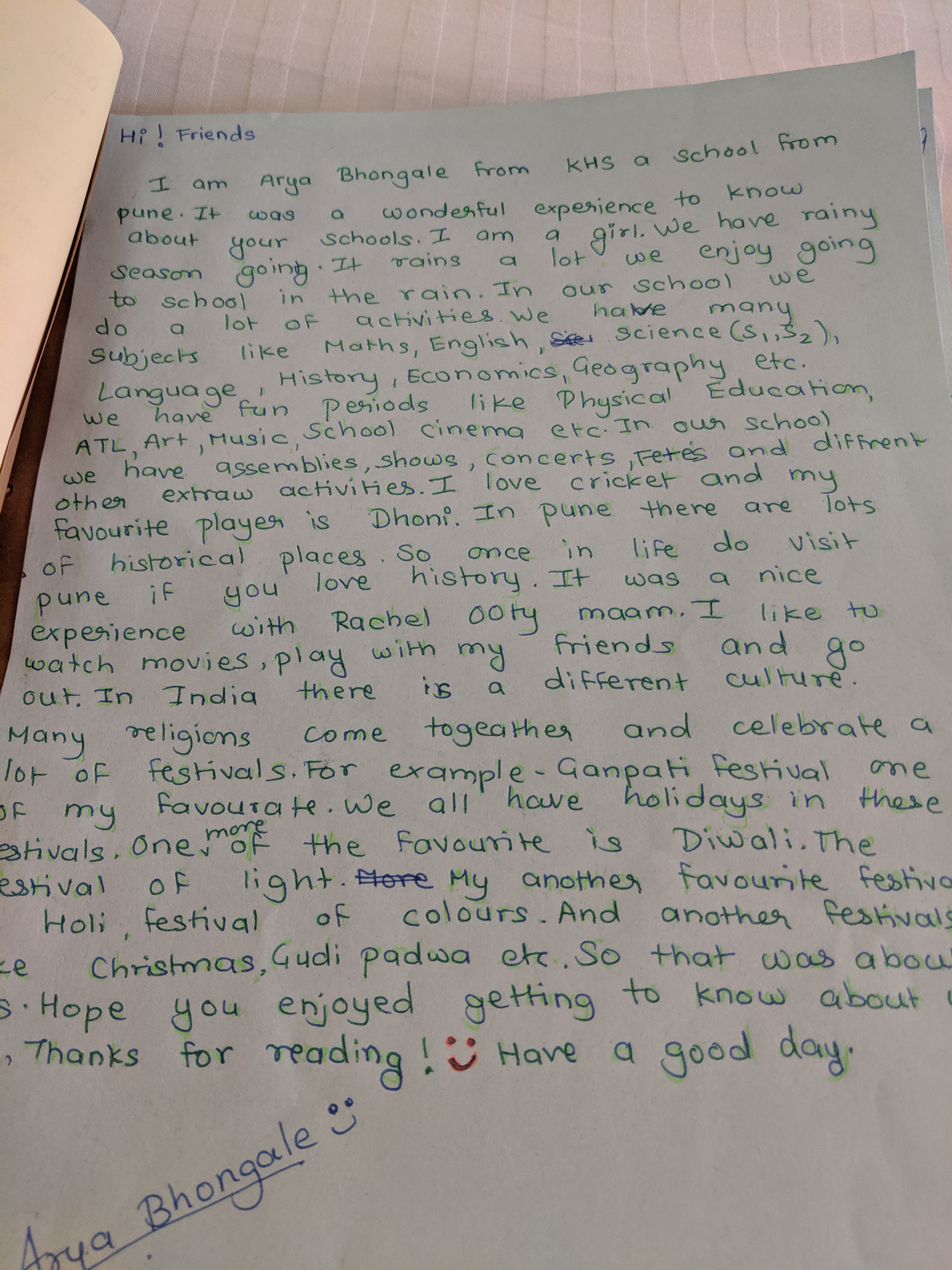
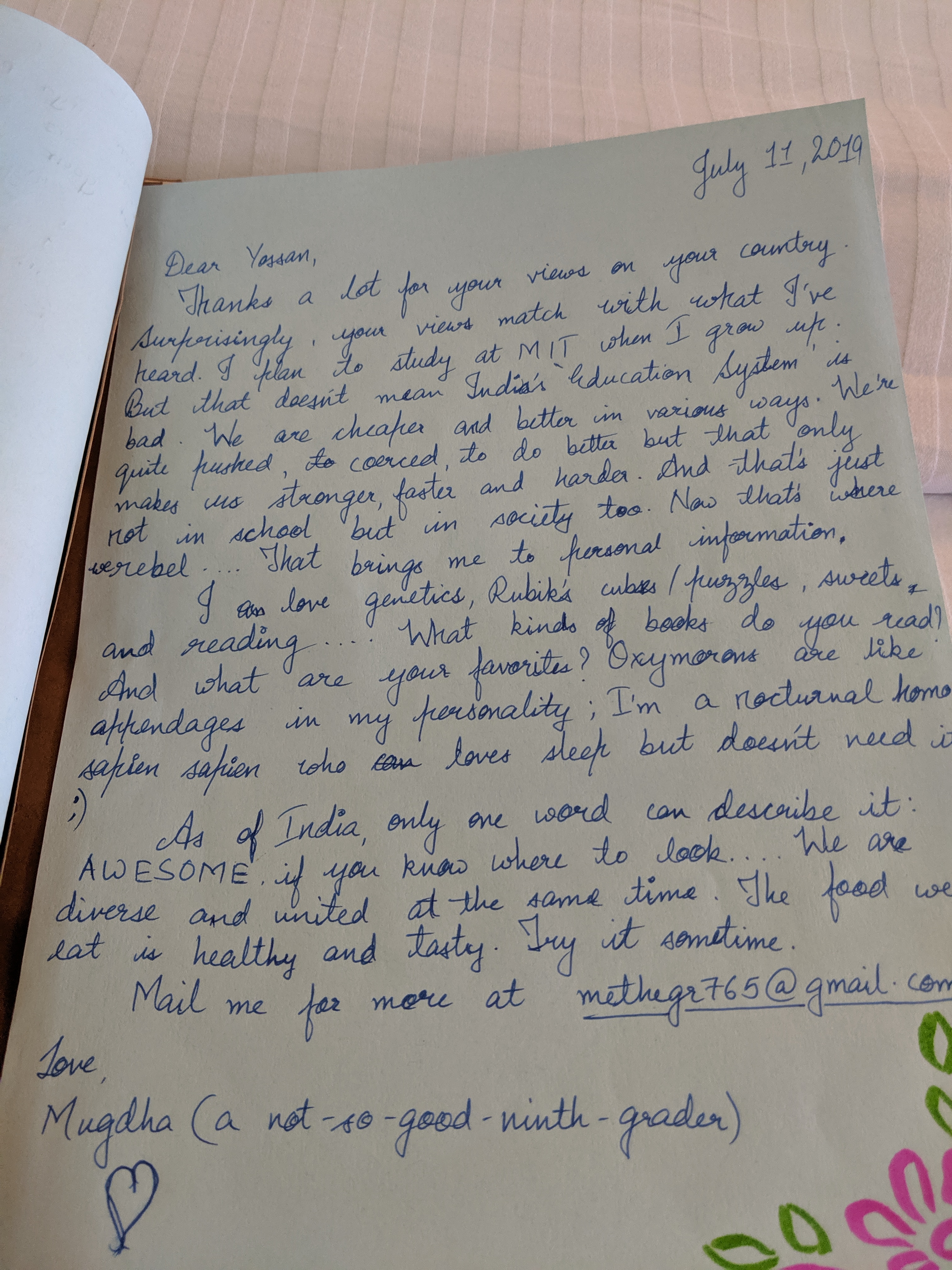
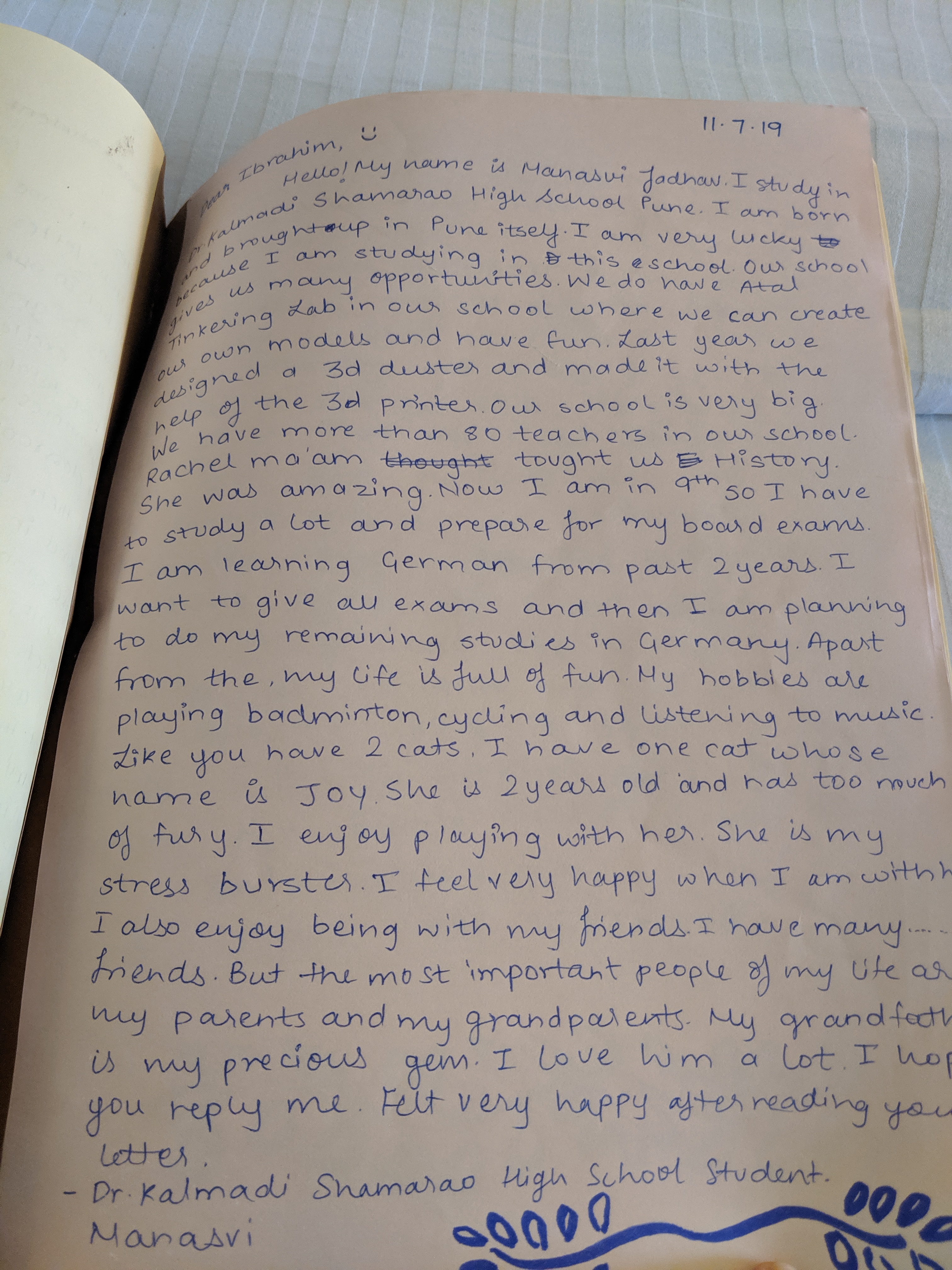





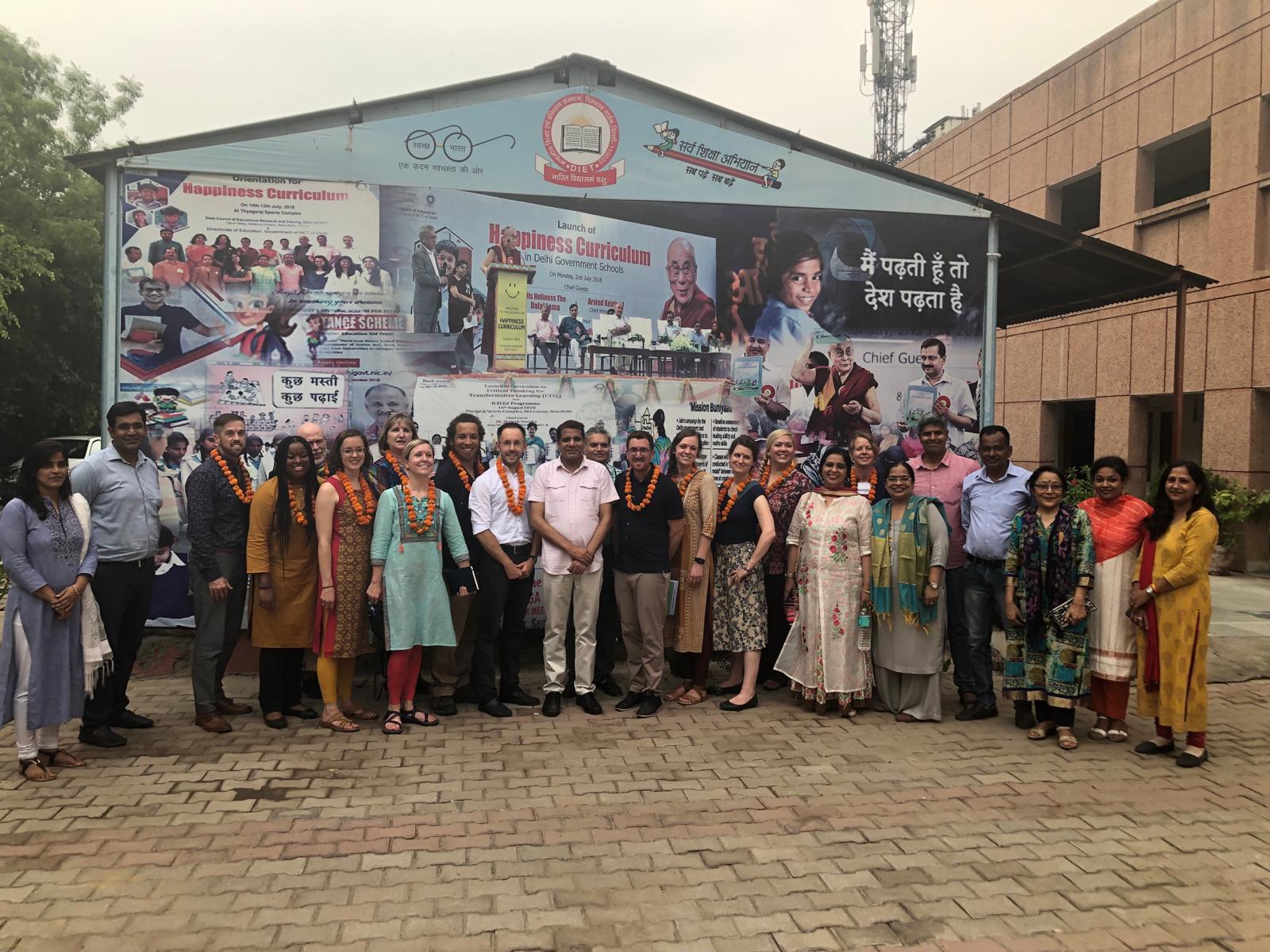
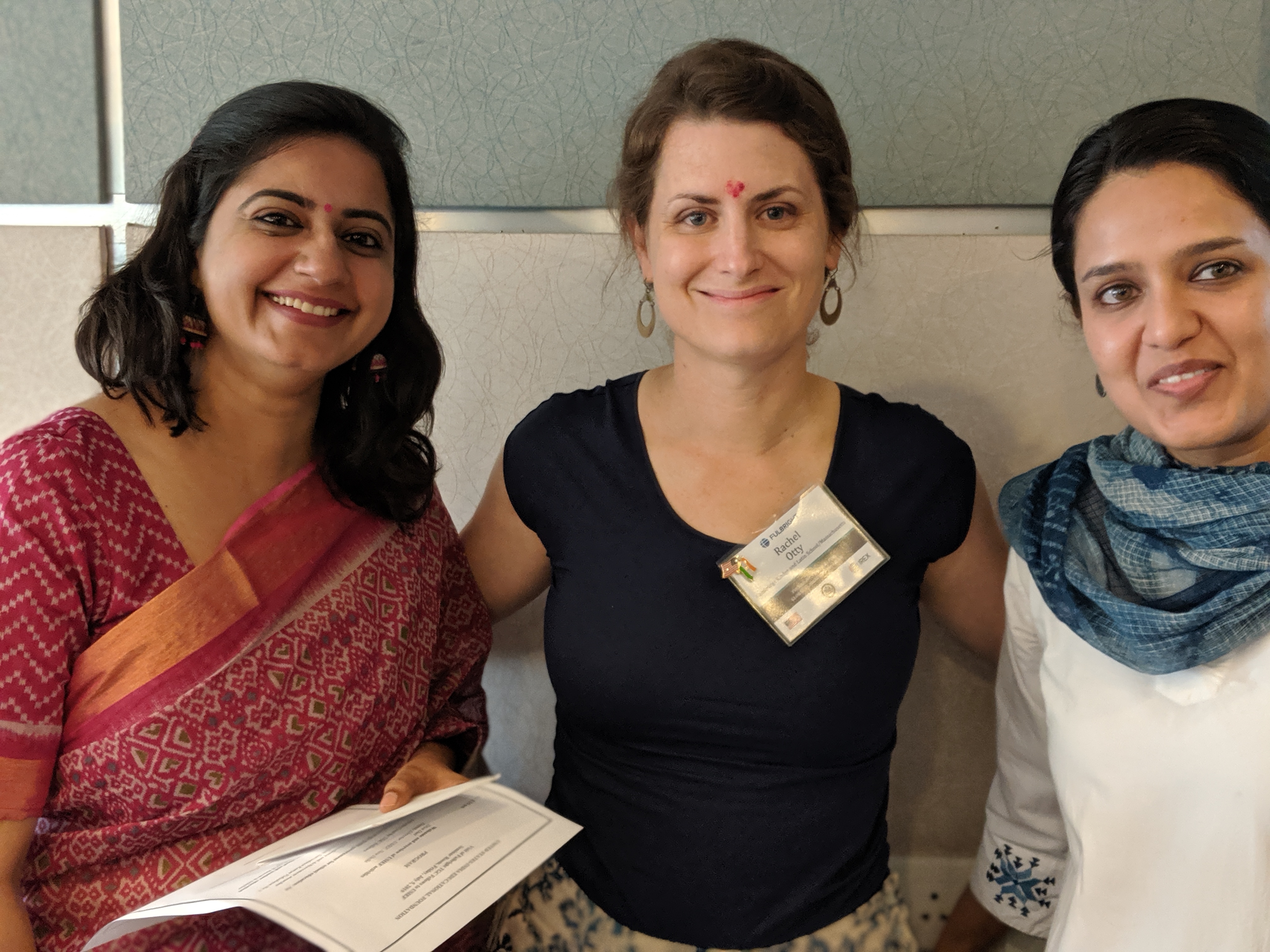
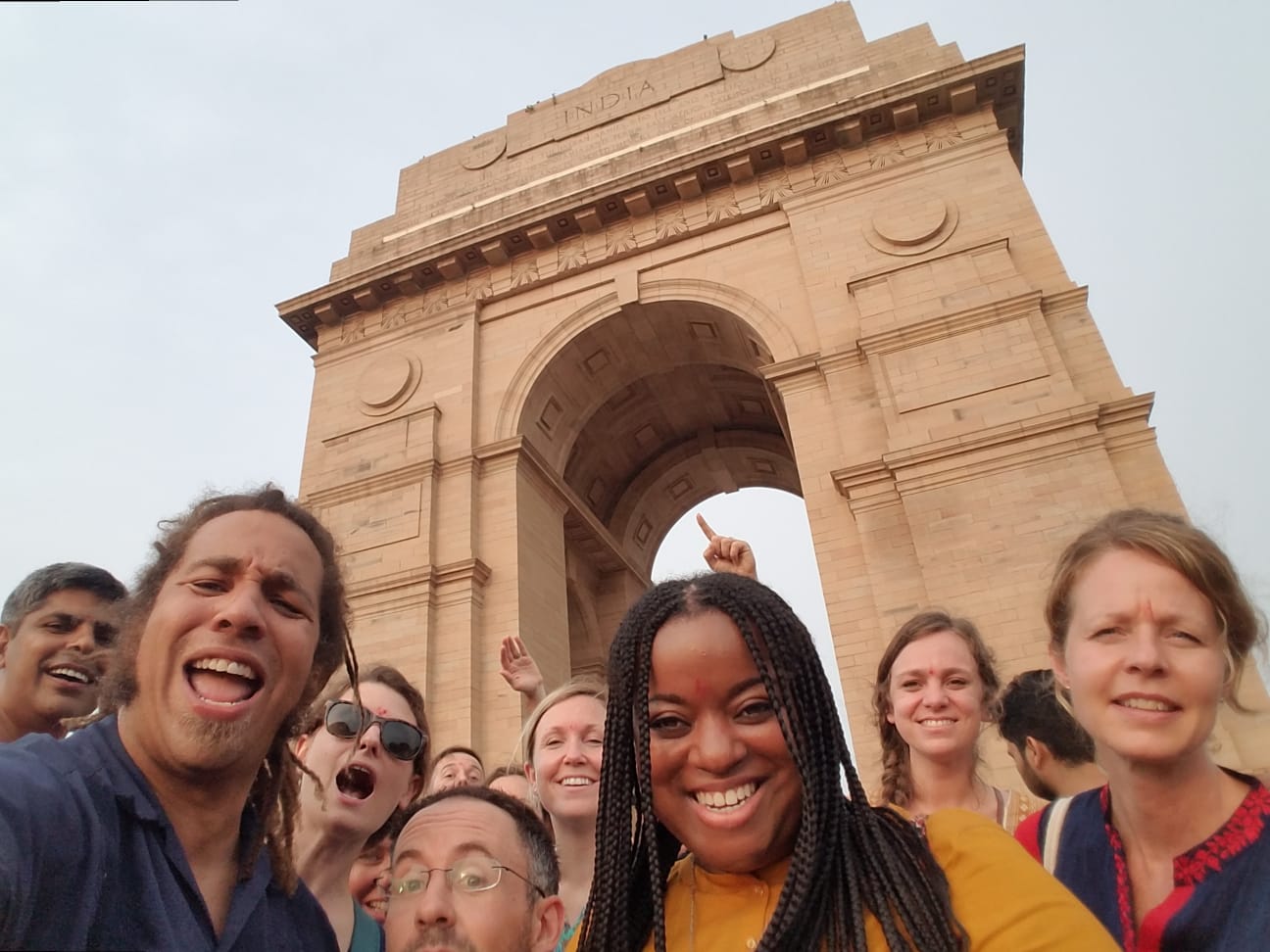
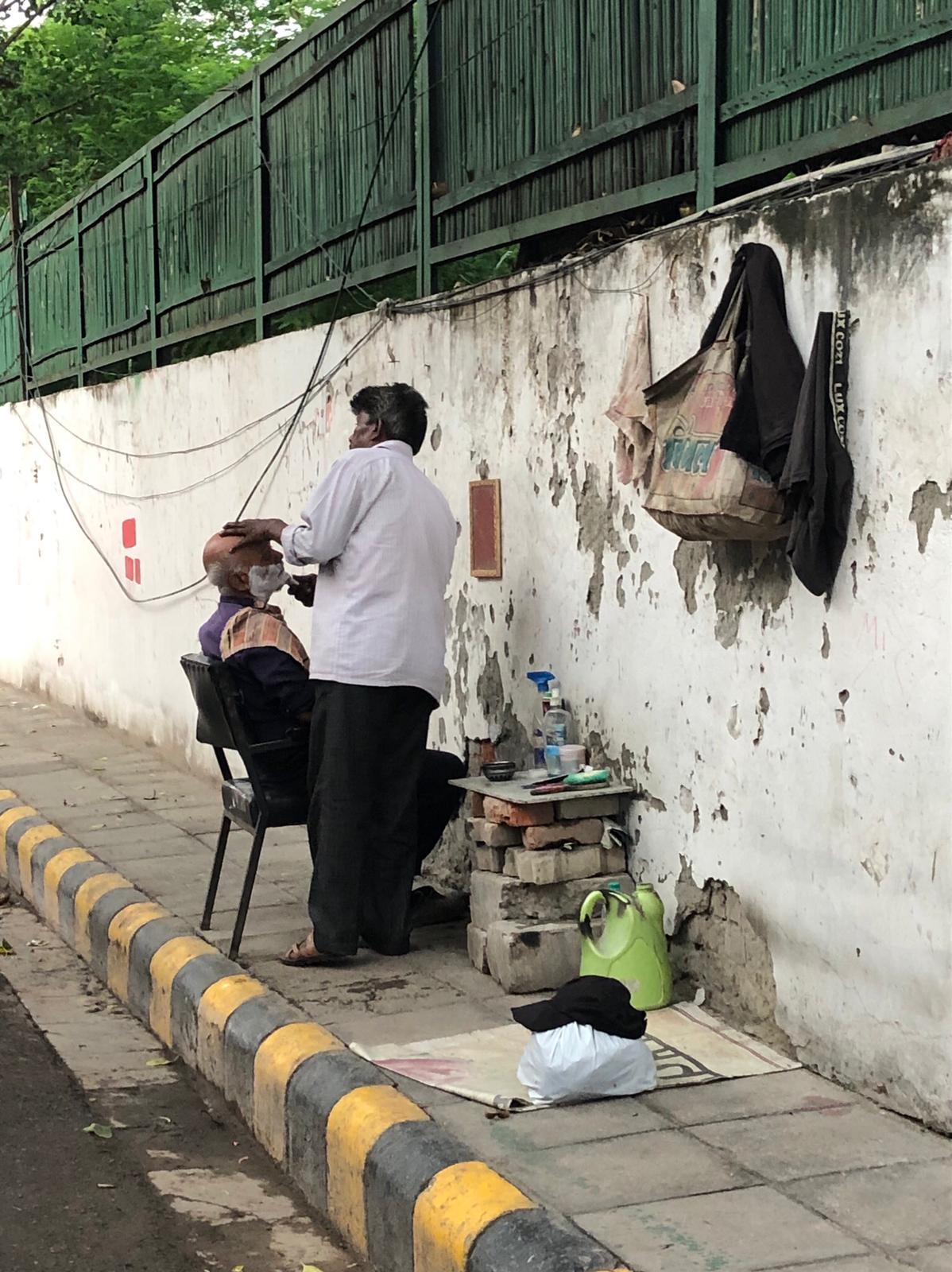
 Ms. Otty in India