
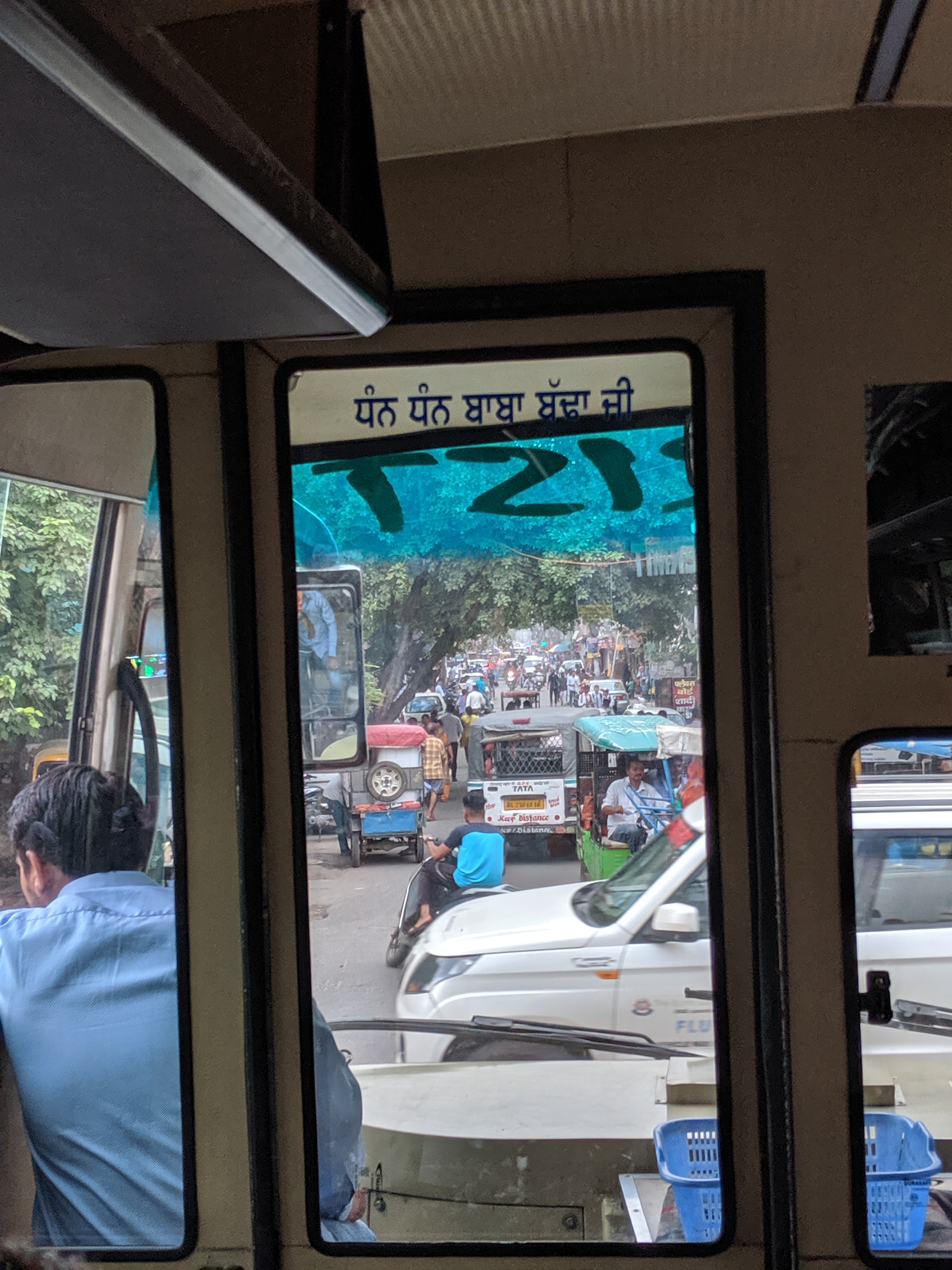
Traffic! 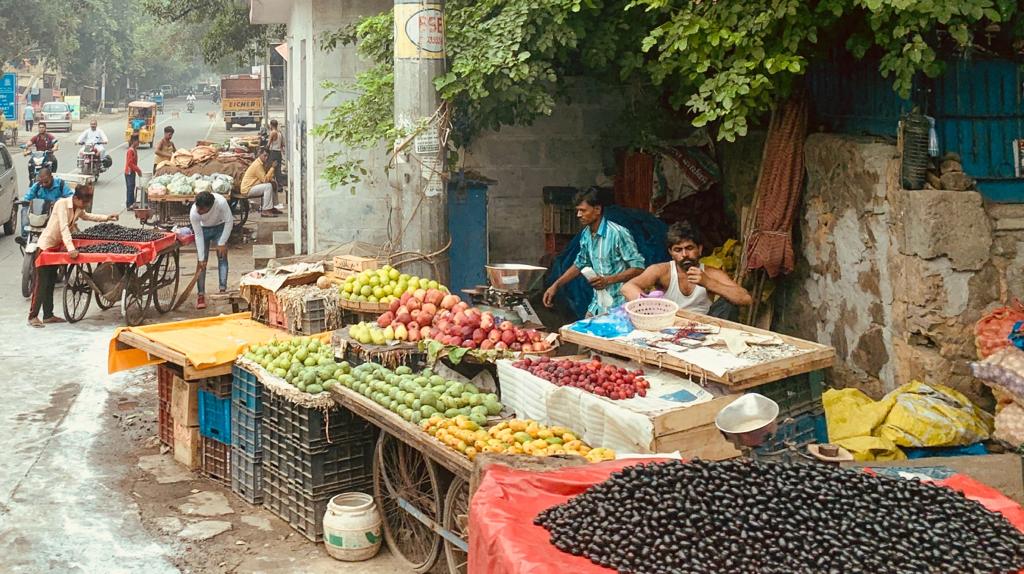
Street scene (Photo: Tina) 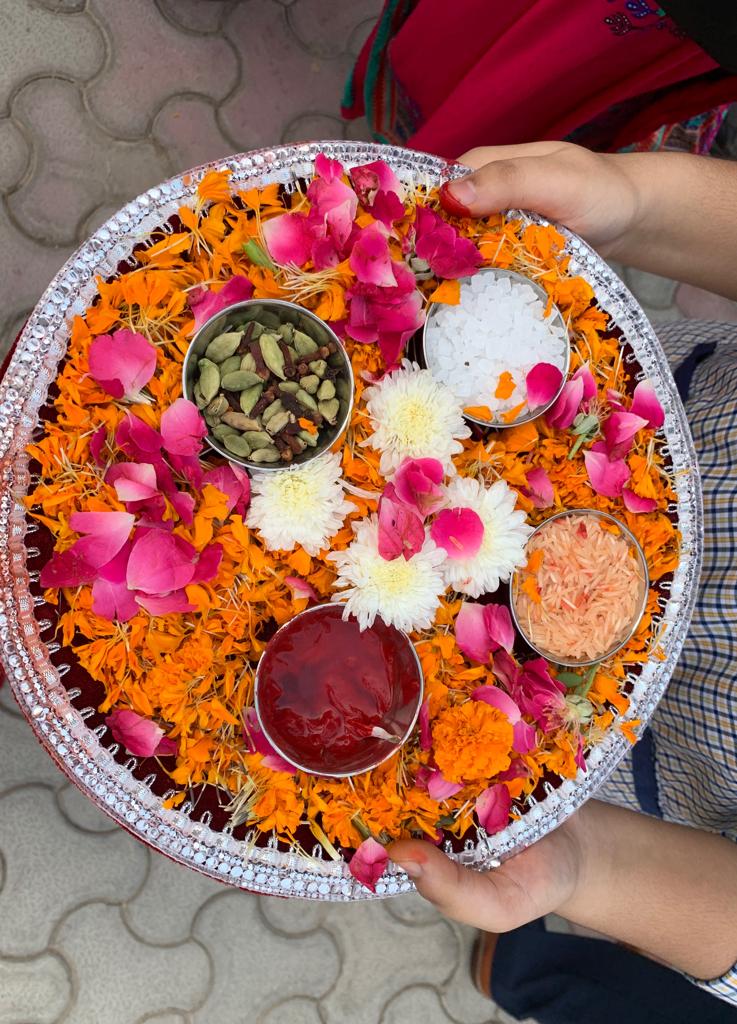
A warm welcome at the District Institute of Education and Training in Delhi. (Photo: Tina) 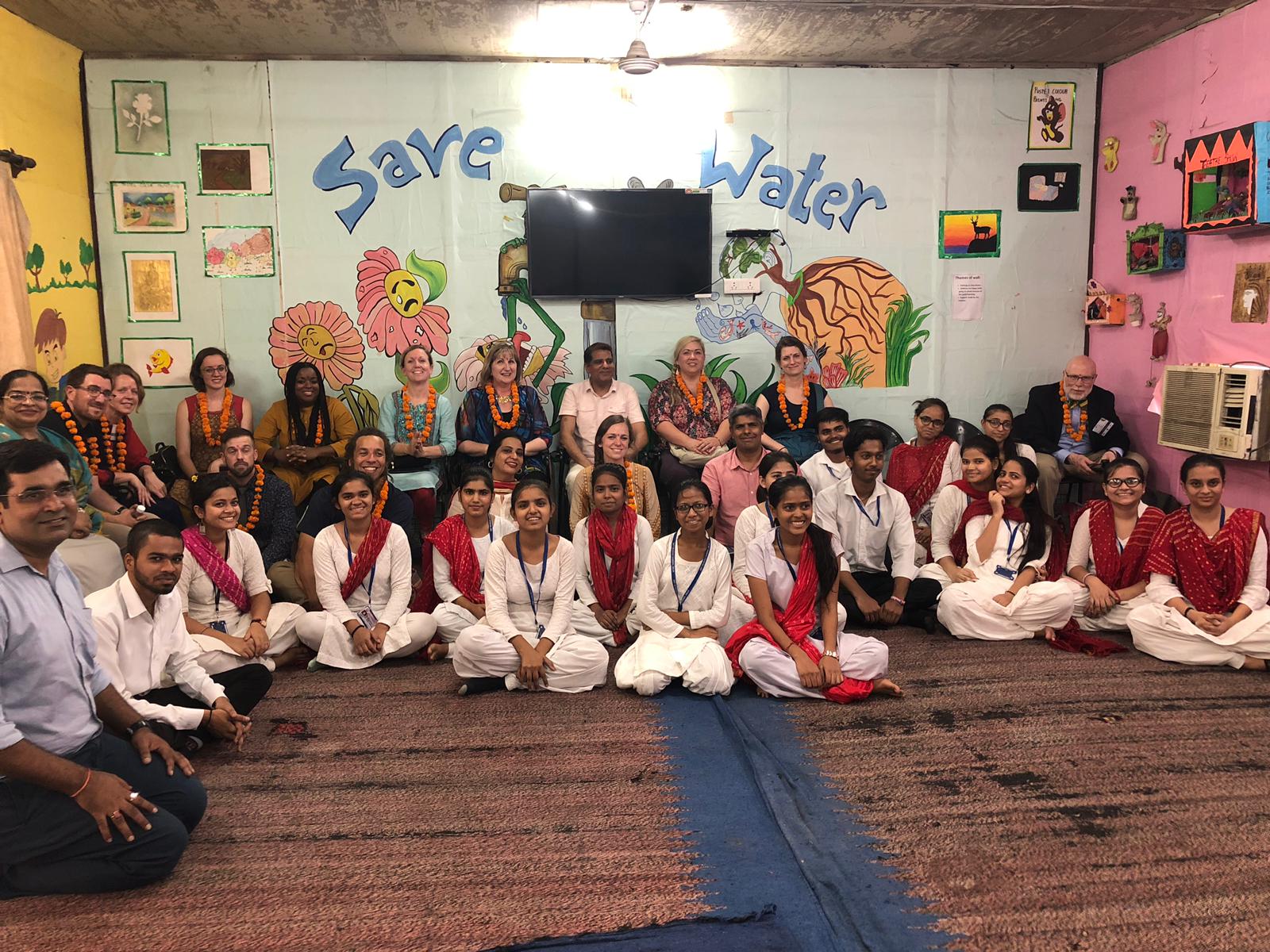
Teachers in training — most of them are between 17-19 yrs old! (Photo: Peter) 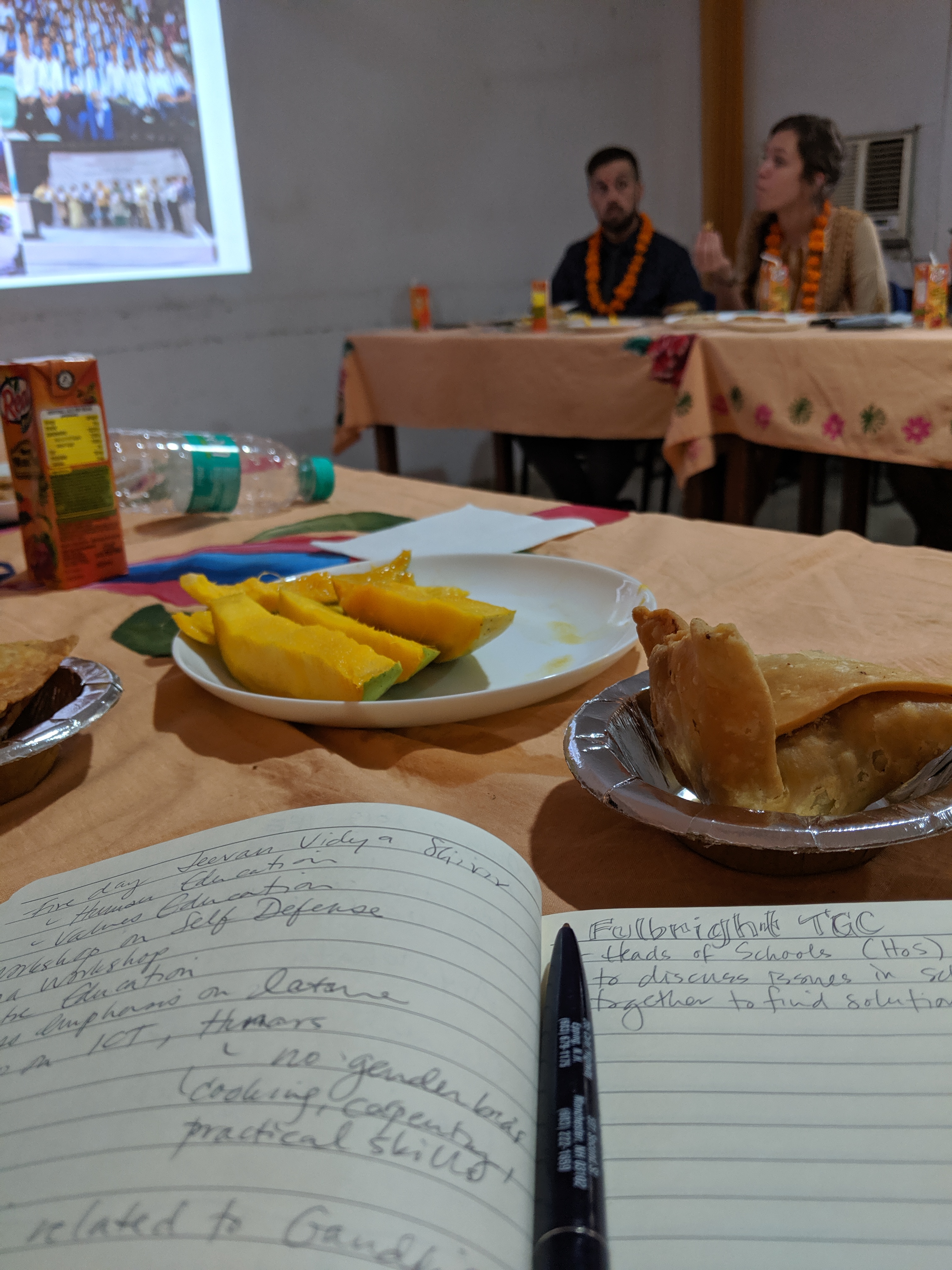
Taking notes and enjoying homemade samosas and fresh mangoes. 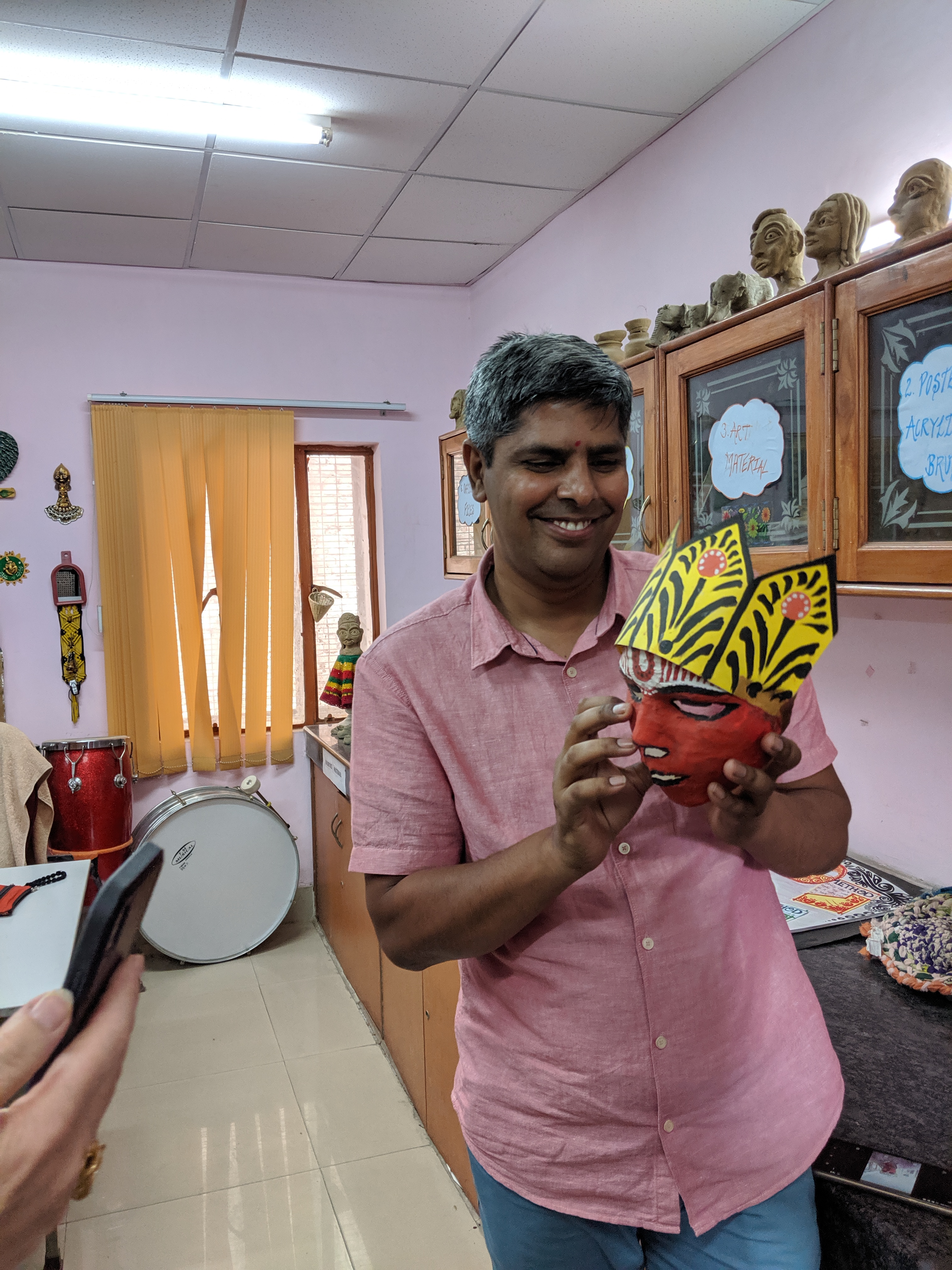
Rajesh, our wonderful leader, in the arts classroom. 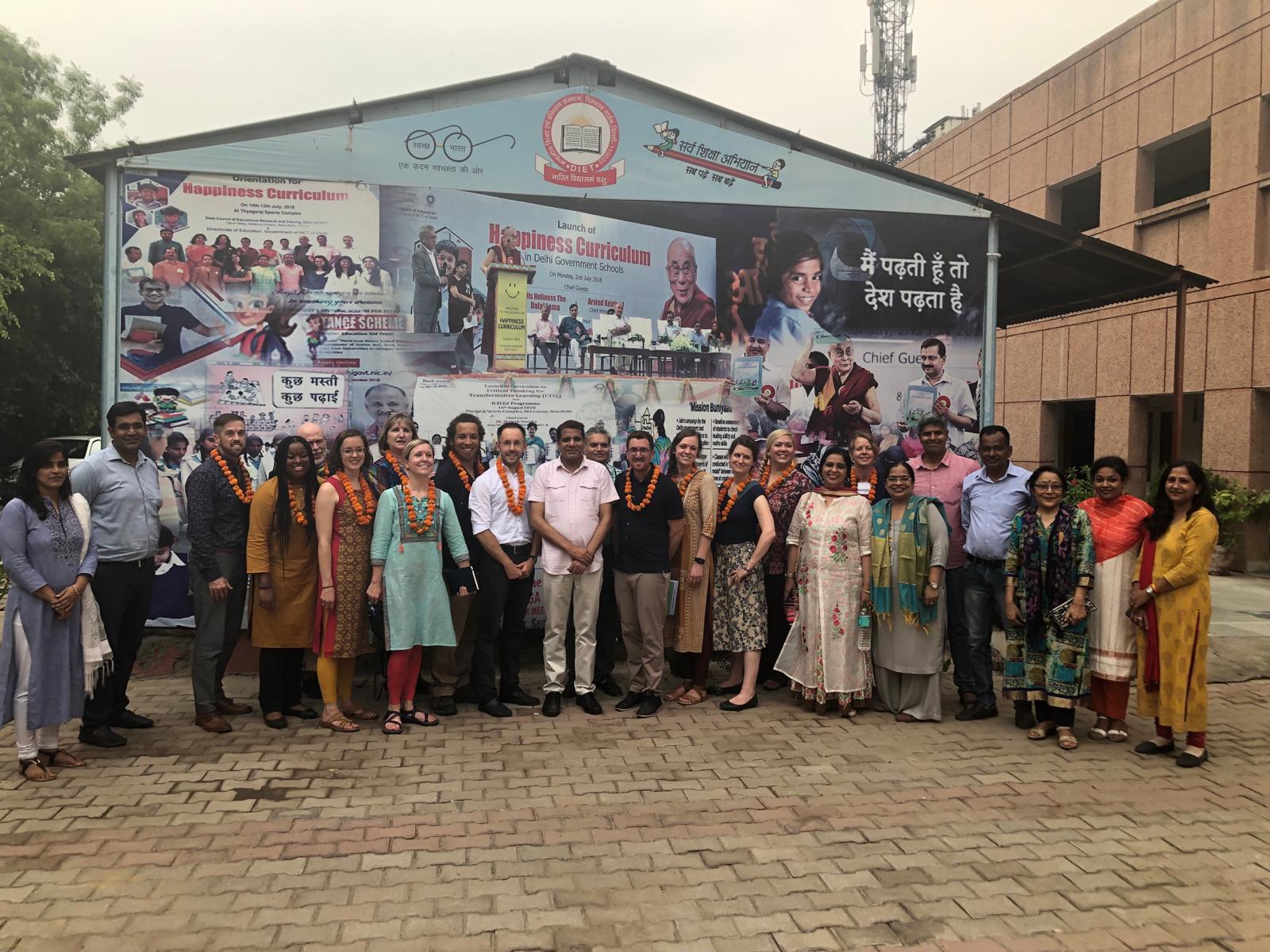
The crew with the principal of this training institute. (Photo: Peter) 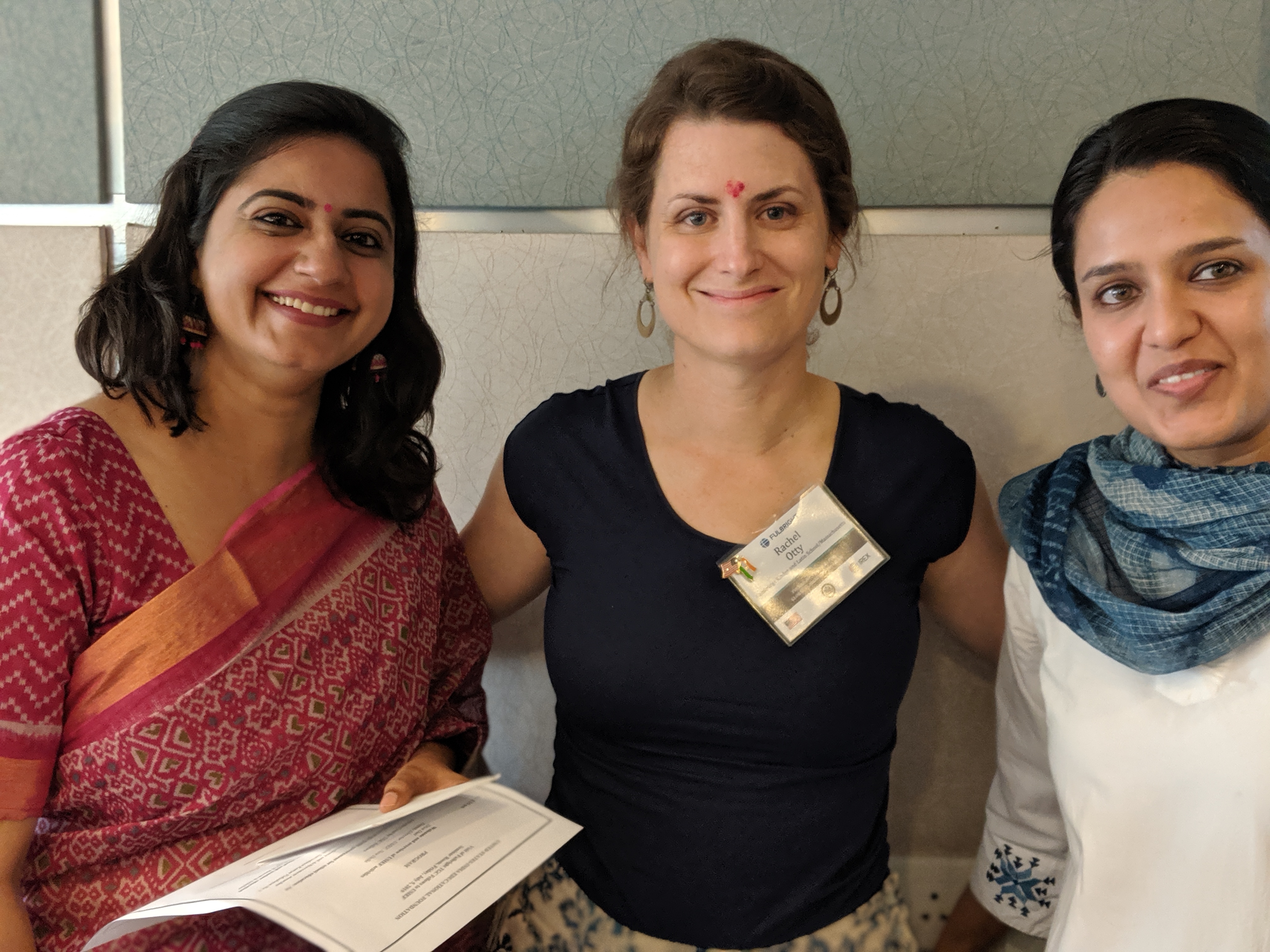
Posing with these two impressive women. L: Manu Gulati, who mentors teachers in Delhi, and R: Gunjan Sharma, who is a professor at Ambedkar University in Delhi. 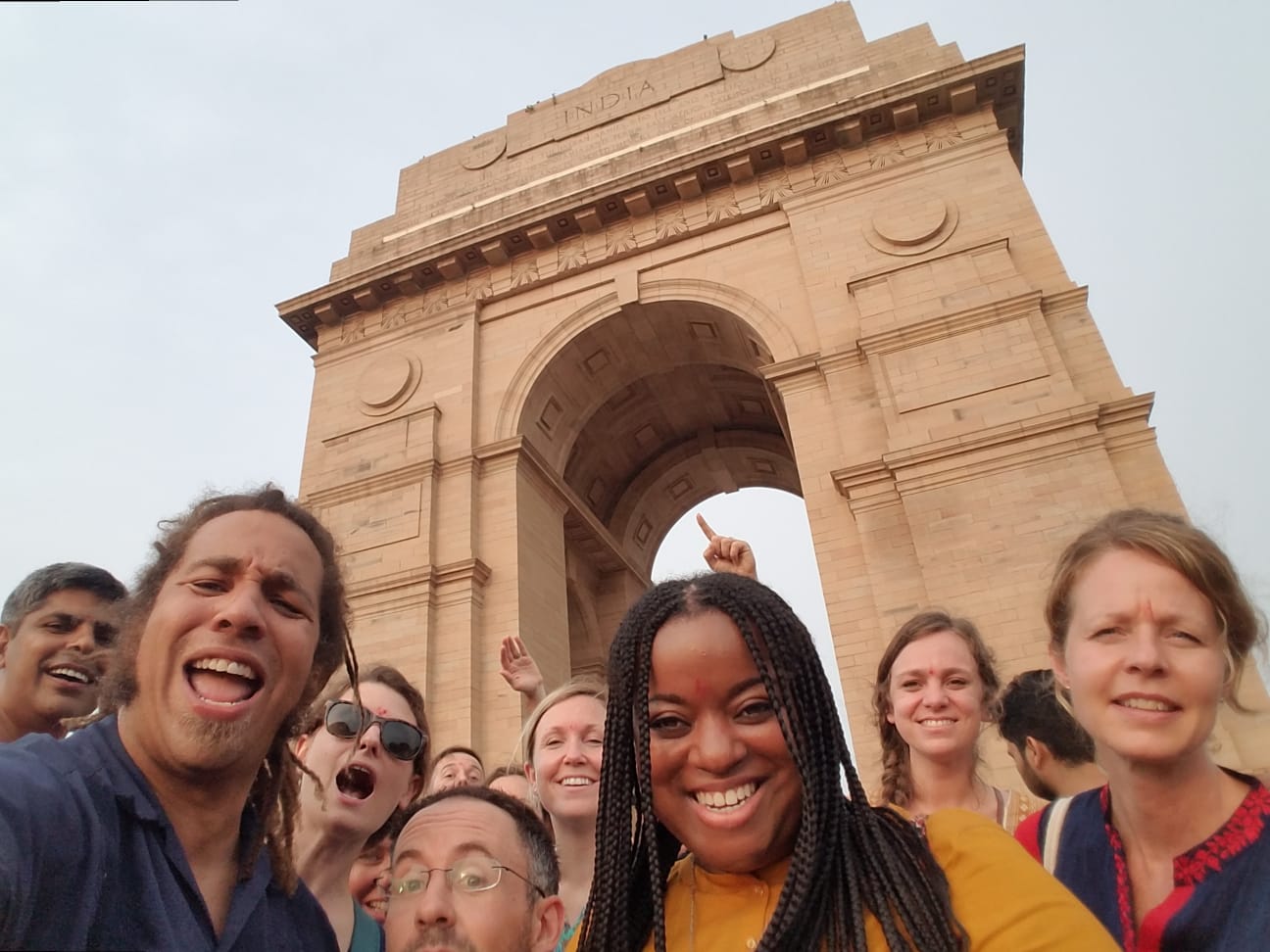
Most of the crew at India Gate, a memorial for Indian WWI veterans. (Photo: Gerald) 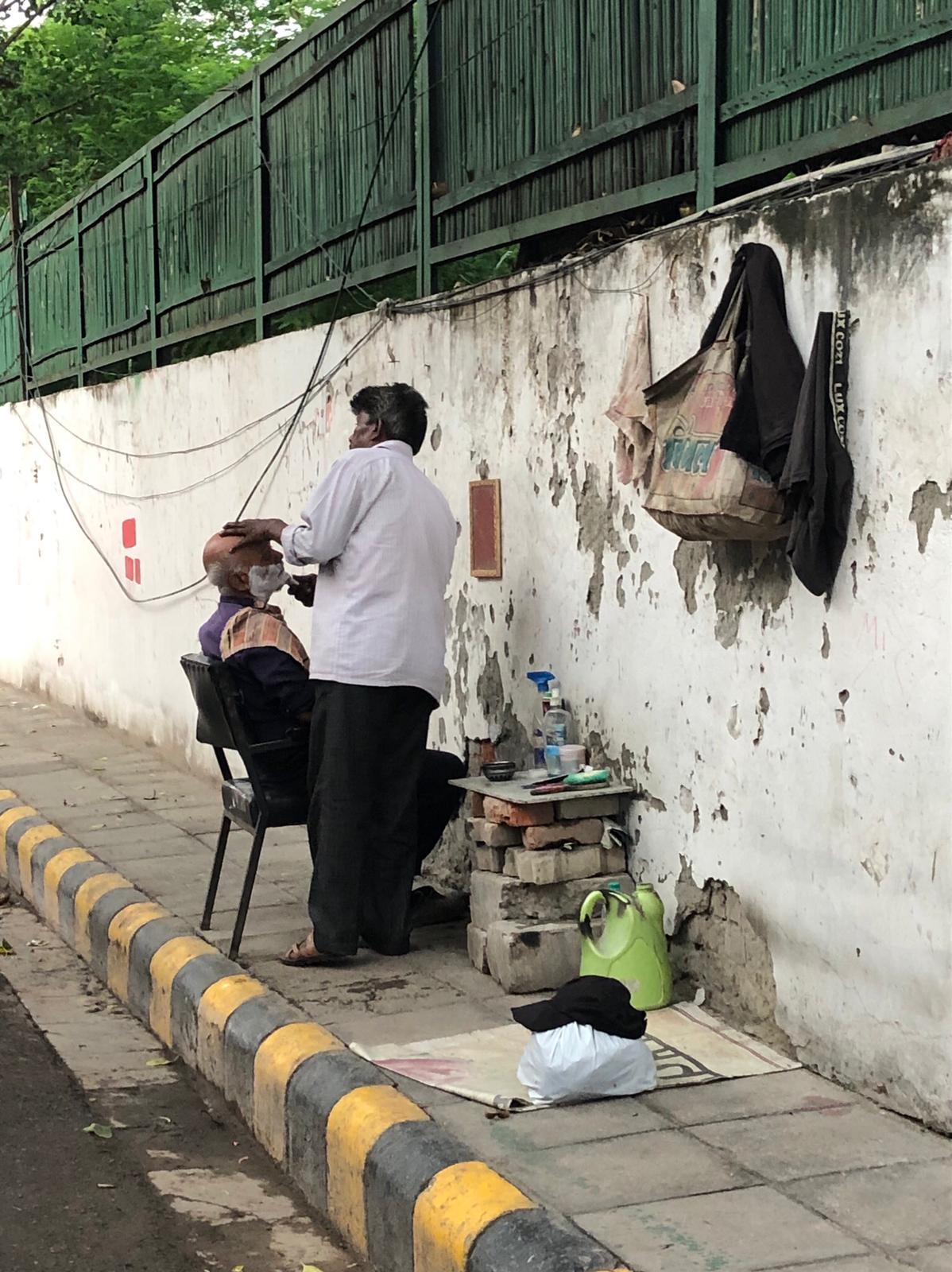
Sidewalk barber shop. (Photo: Peter) 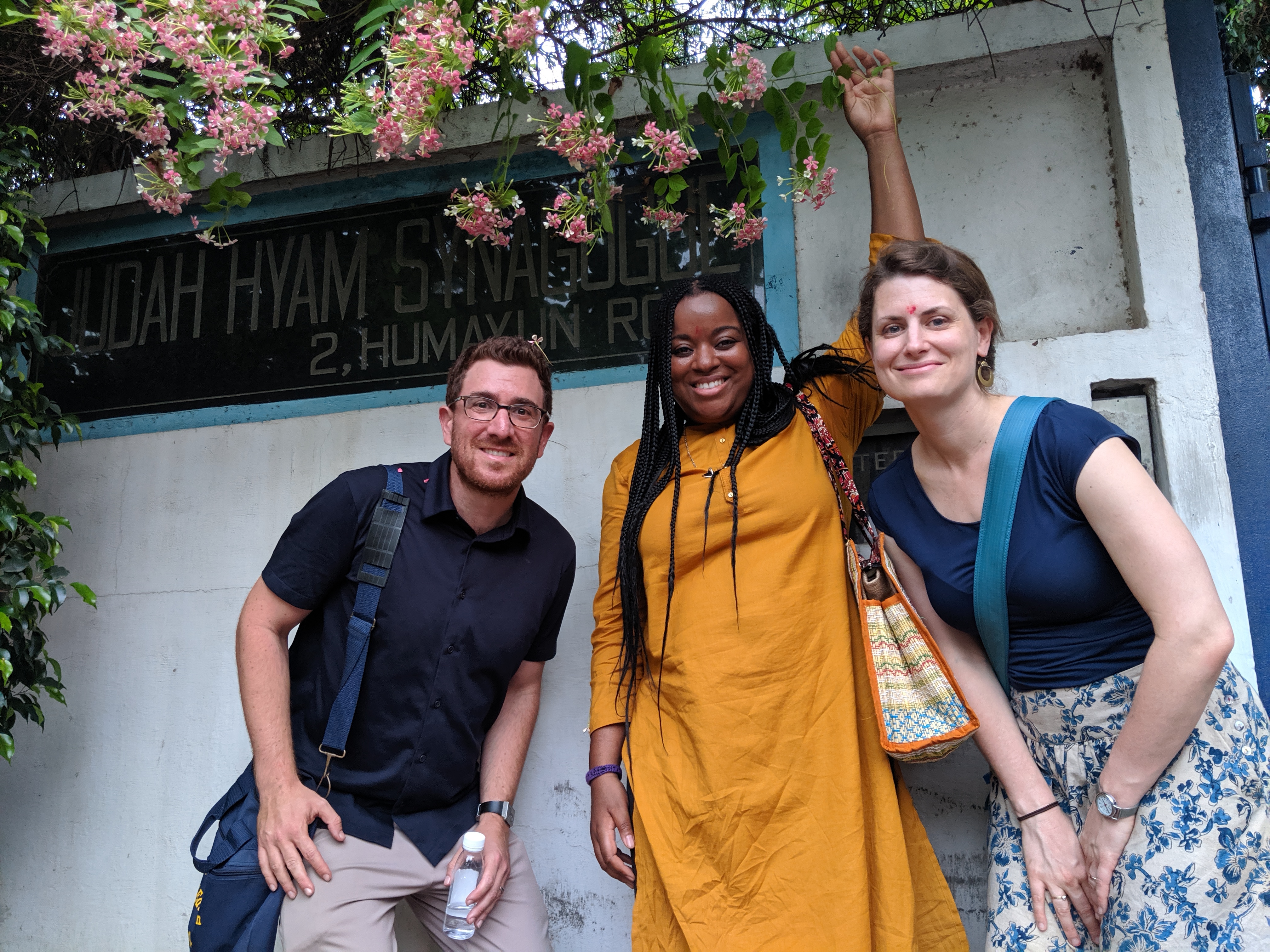
Davie and I accompanied David to Shabbat services at this tiny synagogue in Delhi. 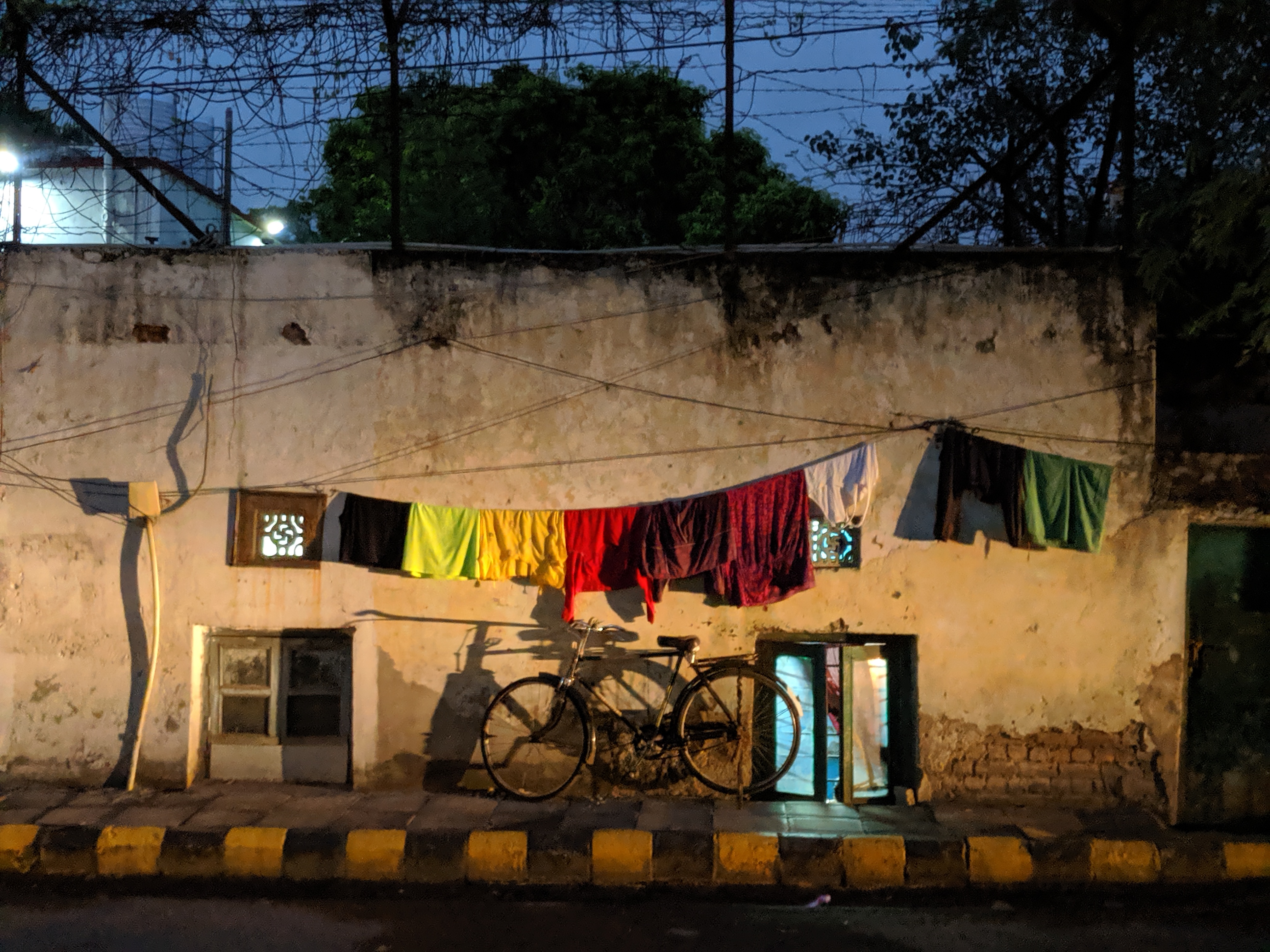
Delhi by night.
Delhi! It’s big. Real big. With lots of people. And lots of traffic. During our time here thus far we have been traveling via van/bus to various sites across the city. This affords us lots of opportunities to take in the scenery and while I haven’t taken a ton of pictures, you can trust me that the views are never dull. Like all cities, what you see on the road often depends on what kind of neighborhood you’re in. In a wealthy neighborhood here you’ll see more trees, grander buildings, wider boulevards, and more passenger cars. In a poorer neighborhood you’ll see more tangled electrical wires, more vendors on the side of the road, more garbage, more dogs (and sometimes a stray elephant and camel (really!), and more rickshaws. While this is likely no surprise, it still can overwhelm the senses. While I have been enjoying the rides and have appreciated not completely sweating through my clothes, I also know that I’m missing a lot by not walking on Delhi’s streets.
This evening, for a brief two hour period, this changed! We made a stop at India Gate, a memorial to Indian soldiers who died fighting for the British Empire during World War I and then continued to walk through a market and a few of us even took a brief trip through some narrow streets to a tiny synagogue to help David celebrate Shabbat. While our time walking in Delhi was brief this evening, we were able to experience the pulse of the city in new ways. For one, we interacted far more with people (surprise!), which meant smiling and greeting people more. It also meant confronting some tough realities. There are often poor children hawking wares on the streets in Delhi, especially near commercial and tourist attractions. Similar to the feelings that seeing homeless people or tent villages in American cities can provoke, facing the reality that there are people in India who desperately struggle is…uncomfortable, and it is hard to feel uncomfortable. There are also stray dogs everywhere, many of them looking sick, which has been particularly difficult for animal lovers and anyone unaccustomed to traveling in countries where this is a fairly common feature. Scenes like this can overwhelm and should overwhelm, and hopefully prompt reflection about the circumstances and structures that enable these realities to exist. At the same time, walking around allowed us to chat and pause to take in our surroundings. Exchanging pleasantries with some men getting their haircut at a sidewalk barber shop was fun. Pausing to read signs and glance into windows helped to paint a more complex view of some people’s daily lives here.
As for the other parts of the day, here’s an overview of the highlights:
- We visited a Delhi District teacher training school in the morning, where we learned more about the process of becoming a K-12 teacher in government schools. A bit different from the U.S., to become a primary school teacher in a government school you have to complete 12th grade and pass board exams with high marks (if you want to earn a spot in a competitive program). Upon doing so, you spend two years learning how to teach. (To become a secondary school teacher, you have to earn a bachelor’s degree in addition to completing a teacher training program.) This particular institute was proud of its sterling record of training highly qualified primary school teachers and was especially eager to tell us more about Delhi’s Happiness Curriculum, which I wrote about in yesterday’s blog post. We were able to tour different classrooms and talk with instructors, who were all rightly proud of the work they do. It was encouraging to see such a humanistic approach to becoming a teacher.
- Our second education-related trip of the day was to the United States-India Educational Foundation, which works closely with Indian teachers completing Fulbright projects in the U.S. and American Fulbright teachers studying and teaching in India. What was different about this visit was the more nuanced picture of India’s education system we received. While our previous school visits/presentations by teachers here have emphasized strongly all of the positive features of these schools and programs, what has been missing is a larger narrative about what India continues to struggle with structurally, as it relates to education. What the two speakers today helped to illustrate is that while the government, particularly the city government in Delhi, is working to make big, bold, progressive changes, there are still major stumbling blocks. Professor Sharma talked candidly about the huge gaps between government schools and private schools, schools in rural areas v. schools in cities, and the opportunity and achievement gaps (to use U.S. terms) between tribal children (children who are not part of a major ethnic or linguistic group), Muslim children, and poor, rural children and children who are in the majority religiously and who live in more well resourced areas. Finally, somebody named what I had assumed anyway — while there are amazing initiatives happening in India’s schools, and we’ve seen these, there are still deep, structural issues that will not be fixed overnight, but need to be confronted all the same. Of course what many of us were thinking is that this is not dissimilar to a country we’re all more familiar with.
 Ms. Otty in India